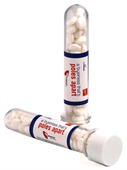
How Packaging Affects Confectionery Storage & Distribution
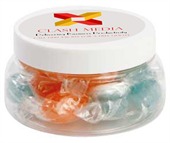
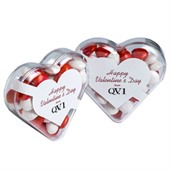
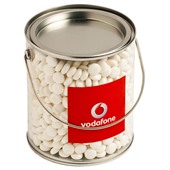
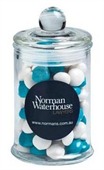
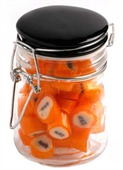
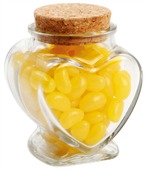
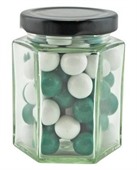
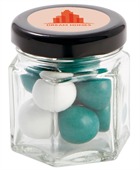
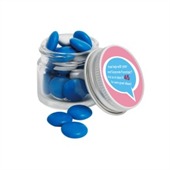
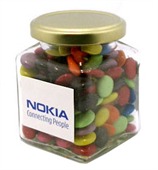
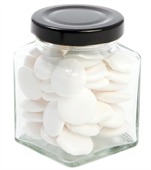
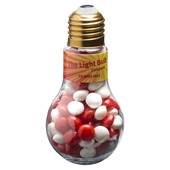
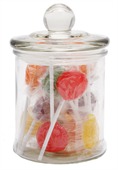
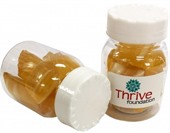
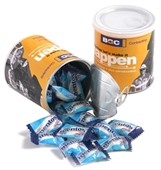
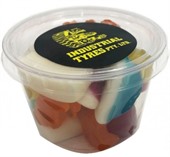
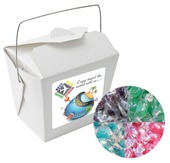
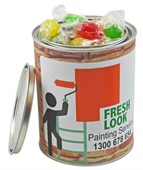
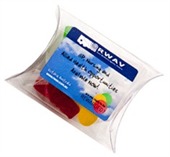
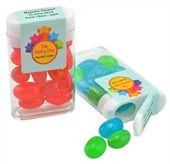
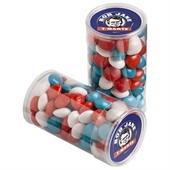
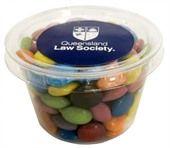
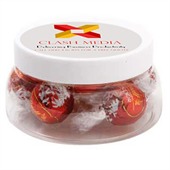
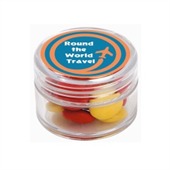
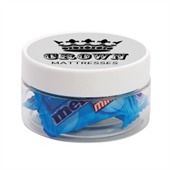
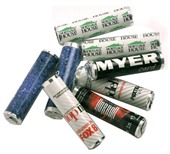
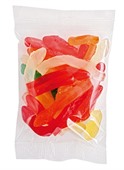
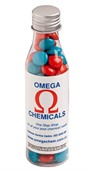
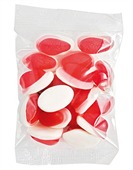
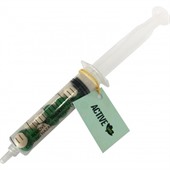
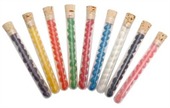
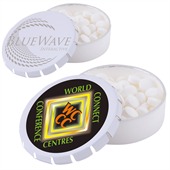
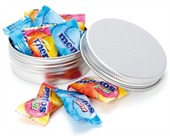
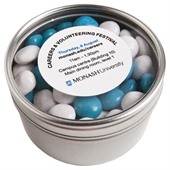
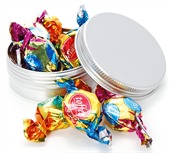
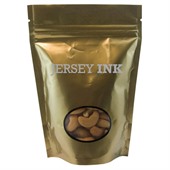
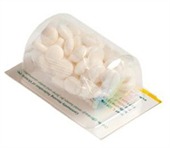
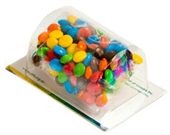
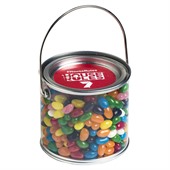
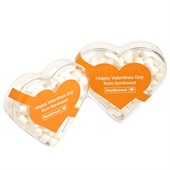
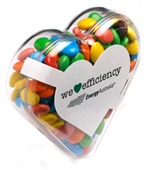
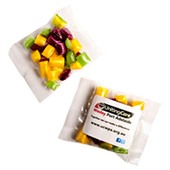
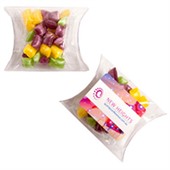
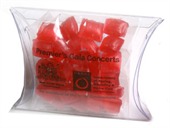
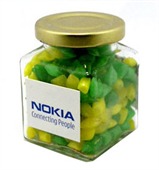
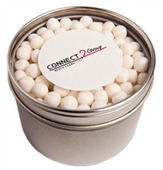
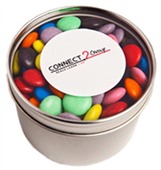
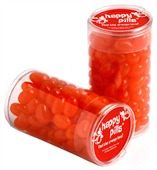
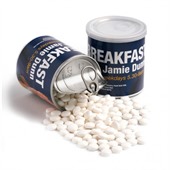
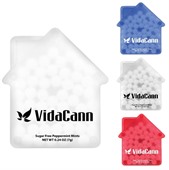
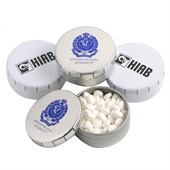
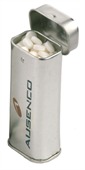
Packaging plays a significant role in how confectionery products are stored, transported and distributed. Individually wrapped confectionery provides product separation and hygiene benefits, while jars, tins, tubes and presentation boxes are designed to hold multiple pieces in a single container. Packaging selection can influence shelf life, product protection and the overall consumption experience.
Different confectionery products have different storage requirements. Chocolate products are often more sensitive to heat exposure, while many sugar-based confectionery products can tolerate a wider range of storage conditions. Sealed packaging helps protect products from moisture, contamination and handling, making packaging design an important consideration across the confectionery category.
What is the difference between sugar confectionery and chocolate confectionery?Sugar confectionery is primarily based on sugar syrups, gels or boiled sugar formulations, while chocolate confectionery contains cocoa solids and cocoa butter. These differences influence flavour, texture, storage requirements and temperature sensitivity.
How should confectionery be stored to maintain freshness?Most confectionery products perform best when stored in a cool, dry environment away from direct sunlight. Temperature fluctuations and excess humidity can affect texture, appearance and shelf life.
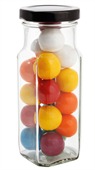
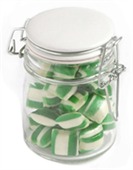
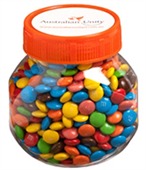
How long do confectionery jars keep products fresh for?Freshness depends on the confectionery type, seal quality and storage conditions. Properly sealed jars can help protect products from moisture and contamination, helping maintain quality for extended periods.
Why do some lollies become hard over time?Changes in moisture content can affect texture during storage. Depending on the product formulation, confectionery may gradually become harder, softer or chewier as it ages.
What allergen information should I check when selecting confectionery?Many confectionery products may contain or be manufactured in facilities that process ingredients such as milk, nuts, soy, gluten or other allergens. Ingredient and allergen statements should always be reviewed before distribution.
Sales Tip: Which confectionery products usually have the longest shelf life?A tip from Anne on our sales team: Mints, boiled lollies and many hard sugar confectionery products generally offer some of the longest shelf lives in the category. They are often chosen when products need to be stored well in advance of an event or distributed over an extended period.
How Confectionery Types Suit Different Applications
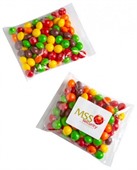
Mints, jelly beans, chocolate bars and hard candies each offer different characteristics that influence where they are most commonly used. Products with longer shelf lives are often selected for advance planning and extended distribution periods, while chocolate products are frequently used where taste experience and presentation are important considerations. Packaging formats such as jars, tins, tubes and individually wrapped pieces further influence how confectionery is displayed, shared and distributed across events, hospitality environments and workplace settings. If you'd like a recommendation, just reach out — we know this range well.