How Headwear Construction Changes Fit & Coverage
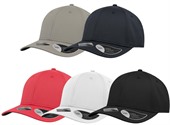
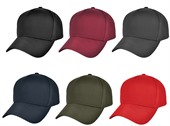
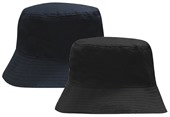
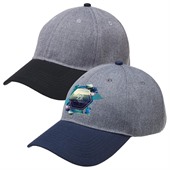
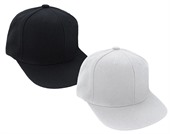
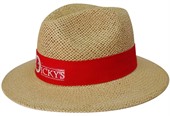
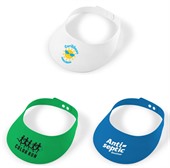
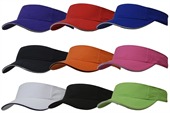
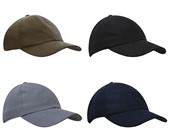
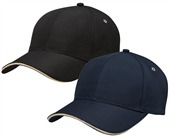
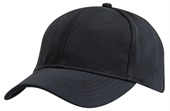
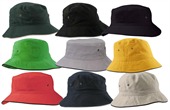
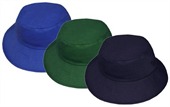
Different headwear styles are built using different construction methods that influence fit, shape and coverage. Baseball caps commonly use structured front panels to maintain a consistent profile, while unstructured caps offer a softer, more relaxed fit. Bucket hats rely on a downward-sloping brim to provide shade around the head, whereas visors leave the crown exposed to maximise airflow while still shielding the eyes from direct sunlight.
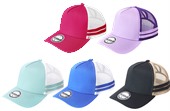
Additional design features such as crown height, panel count, brim width and closure systems can significantly affect comfort and wearability. Snapback closures allow adjustable sizing, fitted caps provide a more tailored fit, and mesh-back trucker caps increase ventilation during warm weather. These construction differences explain why specific headwear styles are often chosen for particular sporting, workplace and outdoor environments.
Are structured caps better than unstructured caps?Neither is necessarily better, but they provide different looks and fits. Structured caps maintain a more defined shape, while unstructured caps conform more closely to the wearer's head and often feel softer from the first wear.
What makes a hat comfortable to wear for long periods?Comfort is influenced by factors such as fabric weight, ventilation, sweatband design, fit and overall construction. Lightweight materials and effective airflow can make a noticeable difference during extended wear.
Do more cap panels create a better-fitting hat?Additional panels allow manufacturers to create more complex shapes and contours. Six-panel caps remain one of the most common constructions because they provide a balance between structure, fit and manufacturing efficiency.
What is the advantage of an adjustable cap closure?Adjustable closures allow a wider range of head sizes to be accommodated by a single cap. Popular systems include snapbacks, hook-and-loop straps, fabric straps and metal buckle closures.
Why do some hats feel hotter than others even when made from similar fabrics?Ventilation design, crown construction, lining materials and colour can all affect perceived temperature. Two hats made from similar fabrics may perform quite differently if one incorporates mesh panels or improved airflow pathways.
Sales Tip: What causes stitching to fail on heavily used caps?A tip from John on our sales team: Stitching problems are often linked to repeated flexing around the brim and closure areas rather than the crown itself. Caps that are frequently adjusted, folded into bags or exposed to moisture can place additional stress on these high-movement points over time.
Construction Features That Influence Headwear Performance
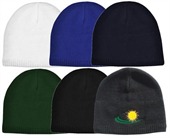
Many of the differences between headwear styles are found in their construction rather than their appearance. Structured and unstructured crowns, mesh ventilation panels, brim shapes, closure systems and fabric weights all influence comfort, airflow and durability. Whether comparing beanies, caps, visors, bucket hats or sun hats, these design characteristics help determine how a product performs in real-world conditions. If you'd like a recommendation, just reach out — we know this range well.