Day Use Versus Day Night Workwear
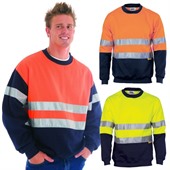
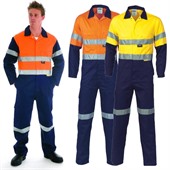
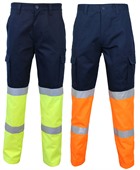
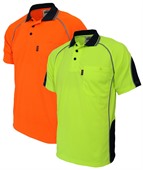
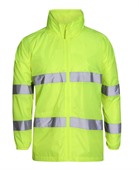
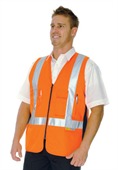
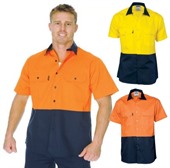
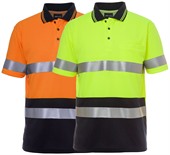
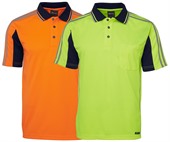
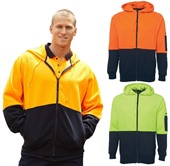
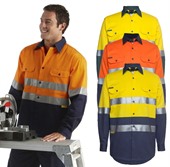
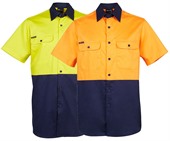
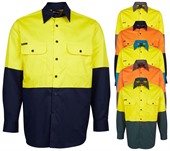
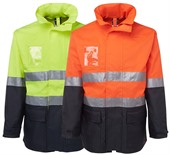
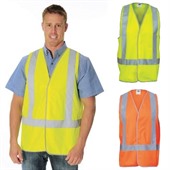
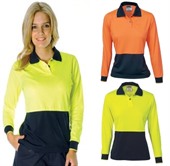
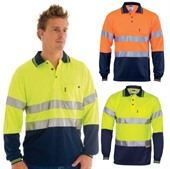
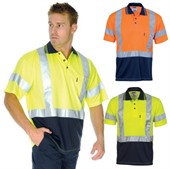
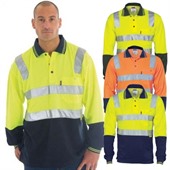
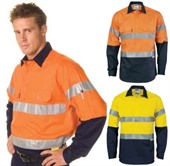
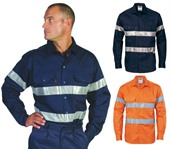
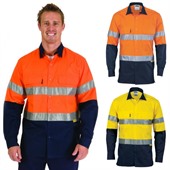
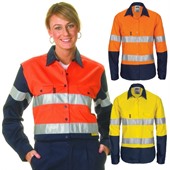
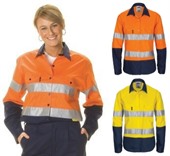
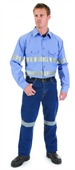
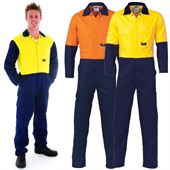
Not all hi vis garments are designed for the same working conditions. Day use clothing generally relies on fluorescent colours to improve visibility in natural light, while day/night garments include reflective tape designed to increase visibility in darker environments. Understanding these differences is important when selecting hi vis shirts, vests, jackets and other workwear for specific industries or job sites.
Branding also needs to be considered carefully on hi vis clothing. Logo placement, decoration size and application method should complement the garment without interfering with reflective areas or important design features. Embroidery and printing can both be suitable depending on the fabric type, garment construction and how the workwear will be used by employees.
What does AS/NZS 4602.1 mean for hi vis clothing?AS/NZS 4602.1 is the Australian and New Zealand standard relating to high visibility safety garments. It covers requirements for clothing designed to improve worker visibility, including different garment classifications based on the conditions where they will be worn.
What is Class D and Class D/N hi vis workwear?Class D garments are designed for daytime use and rely on fluorescent materials for visibility. Class D/N garments are designed for both day and night use by combining fluorescent fabric with reflective tape suitable for low-light conditions.
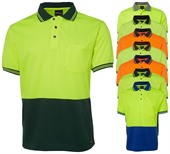
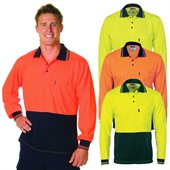
Are hi vis polo shirts suitable as everyday work uniforms?Hi vis polo shirts are commonly chosen for staff who require comfortable clothing that can be worn throughout the day. Fabric type, breathability, sleeve length and compliance requirements should all be considered when selecting polos for workplace uniforms.
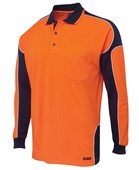
Why do some hi vis shirts have long sleeves?Long sleeve hi vis shirts are often selected for outdoor workers because they provide additional coverage from workplace conditions and sun exposure. Some industries may also require specific garment styles depending on the work environment.
Where should logos be placed on hi vis clothing?Common branding positions include the chest, sleeves and back of the garment. Logo placement should avoid interfering with reflective tape and should consider how the garment will look when worn with jackets, safety equipment or other work gear.
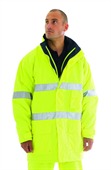
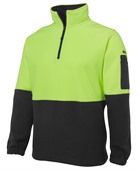
Are all hi vis jackets waterproof?No. Hi vis jackets vary significantly in construction. Some are designed mainly for warmth and visibility, while hi vis rain gear includes materials and features intended to provide protection from wet weather conditions.
Does embroidery last longer than printing on hi vis clothing?Embroidery is often selected for long-term uniforms because the stitching is highly durable. Printing can also perform well, particularly on suitable fabrics, and may be preferred for larger designs or areas where embroidery is less suitable.
Sales Tip: Match branding to how the garment is washedA tip from Kylie on our sales team:
Workwear is often washed more frequently and exposed to tougher conditions than standard uniforms. Considering cleaning requirements, fabric type and decoration method can help ensure the branding remains suitable for the lifespan of the garment.
Workwear Designed For The Right Conditions
Selecting hi vis workwear involves more than choosing a colour and adding a logo. Day use and day/night garments are designed for different environments, while product choices such as polos, jackets, vests and fleece depend on how and where they will be worn. Details including fabric weight, reflective tape placement, decoration method and washing requirements can all influence how the clothing performs over time. Understanding these differences helps businesses create branded workwear that suits their team and working conditions. If you'd like a recommendation, just reach out — we know this range well.