Why Fabric Blends Exist
Fabric blends were developed because no single material excels in every situation. A 100% cotton polo shirt often feels softer and more natural to wear, while polyester polo shirts generally offer greater durability and faster drying times. By combining the two fibres, manufacturers can create garments that balance comfort, appearance and longevity. This is particularly important for uniforms, where the same shirt may be washed dozens of times throughout the year.
Enviro polo shirts introduce another consideration by incorporating recycled polyester or other environmentally conscious materials into the garment. While sustainability is often the primary reason organisations choose these products, modern recycled fabrics can perform very similarly to their conventional equivalents. The result is a wider range of options that allow organisations to prioritise comfort, durability, environmental considerations or a combination of all three depending on their requirements.
What's the difference between cotton and polyester polo shirts?Cotton polo shirts are generally softer and more breathable against the skin, while polyester polo shirts are known for durability, colour retention and faster drying times. Many modern polo shirts combine both fibres to achieve a balance of comfort and performance.
Why do some polo shirts pill?Pilling occurs when loose fibres become tangled on the fabric surface through friction and repeated wear. Fabric quality, fibre type and laundering methods can all influence how susceptible a polo shirt is to pilling.
Are recycled polyester polo shirts as durable as regular polyester?In many cases, yes. Modern recycled polyester fabrics can provide similar durability, colour retention and moisture management to conventional polyester fabrics. The quality of the garment construction often has a greater impact than whether the polyester is recycled or virgin material.
Why are some polo shirts heavier than others?Different polo shirts use different fabric weights depending on their intended purpose. Lightweight garments are often chosen for warm conditions and active use, while heavier fabrics may provide a more structured appearance and greater resistance to wear.
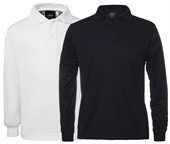
What type of polo shirt lasts best as a work uniform?Polyester and cotton-polyester polo shirts are typically the most durable choices for work uniforms. They retain their shape well, resist shrinkage and generally hold their colour longer than pure cotton garments. This is why many organisations choose blended fabrics for uniforms that will be washed repeatedly throughout the year.
Sales Tip: Consider the logo size before choosing embroideryRachael from our sales team says: Embroidery works exceptionally well for small chest logos, but very detailed artwork can lose clarity when stitched. If your logo contains fine lines, gradients or small text, ask to see both embroidered and printed mock-ups before making a decision. The best branding method often depends on the artwork rather than the garment.
Matching Fabric To The Environment
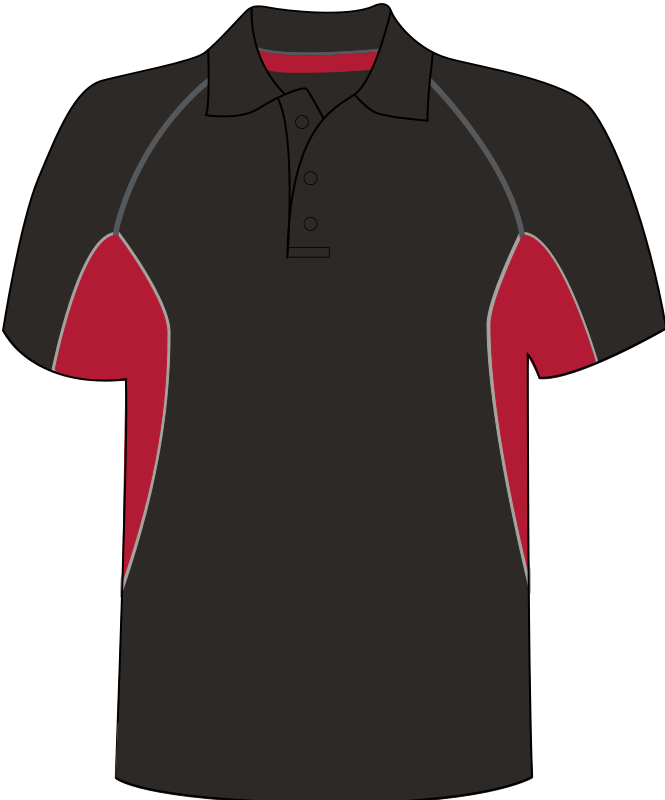
The best polo shirt is often determined by where it will be worn and how often it will be washed. Polyester and Cool Dry fabrics are well suited to active workplaces and warm conditions, while cotton-rich garments are frequently chosen for their softer feel. Enviro polo shirts provide an alternative for organisations looking to incorporate recycled materials into their uniform programs, and bespoke polo shirts allow complete control over colours, panels and garment design. Understanding how different fabrics, constructions and branding methods perform can help ensure the finished garment continues to look good after repeated wear. If you'd like a recommendation, just reach out — we know this range well.