Understanding Modern Drink Bottle Materials
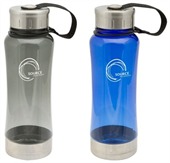
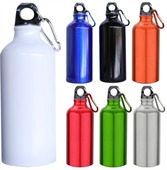
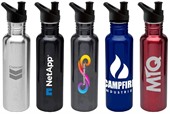
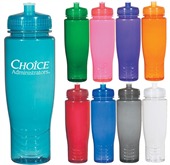
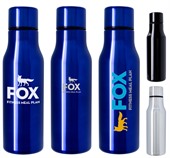
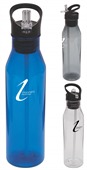
Modern drink bottles are available in a variety of materials, each designed to address different priorities. Tritan drink bottles are valued for their clarity, durability and BPA-free construction, making them a popular alternative to traditional plastic bottles. Eco-friendly drink bottles introduce materials such as recycled plastics, stainless steel, bamboo components and plant-based alternatives, while metal drink bottles continue to be chosen for their durability and premium appearance.
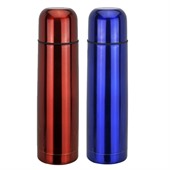
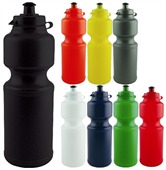
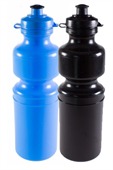
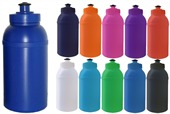
Material selection can also influence how a bottle performs in everyday use. Vacuum flasks and insulated drink bottles are designed for temperature retention, while lightweight plastic and Tritan bottles are often preferred for sport, exercise and school environments. Foldable drink bottles appeal to travellers and outdoor users because they occupy less space when empty. Matching the material to the intended use can often have a greater impact on satisfaction than the bottle design itself.
What does BPA-free actually mean?BPA-free means the bottle has been manufactured without Bisphenol A, a chemical once commonly used in some plastics. Today, BPA-free construction is standard across modern Tritan drink bottles, plastic drink bottles and many eco-friendly bottle ranges.
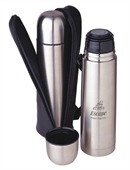
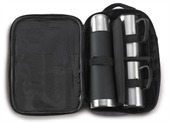
How much difference does vacuum insulation actually make?Vacuum insulation can make a substantial difference to temperature retention. By creating an airless gap between the inner and outer walls, insulated stainless steel drink bottles dramatically reduce heat transfer compared with standard plastic, Tritan and single-wall metal bottles. This is why vacuum flasks are commonly chosen by commuters, travellers and outdoor users.
Do eco-friendly drink bottles last as long as standard bottles?Yes, particularly when choosing recycled stainless steel or rPET drink bottles. These products are designed for long-term reuse and can offer durability very similar to traditional metal and plastic drink bottles. If longevity is the primary concern, recycled stainless steel bottles are often the closest eco-friendly alternative to a conventional premium drink bottle.
Can stainless steel drink bottles affect the taste of water?Stainless steel drink bottles are designed to minimise flavour transfer and should not noticeably affect the taste of water. Residual flavours are more commonly caused by incomplete cleaning or strongly flavoured beverages previously stored in the bottle.
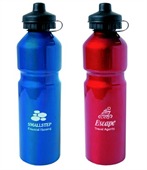
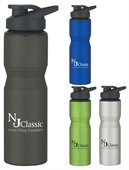
What does it mean when a drink bottle has a powder-coated finish?A powder-coated finish is a durable exterior coating applied to the outside of a drink bottle. It provides a textured feel that can improve grip, helps resist scratches and everyday wear, and gives metal drink bottles a more premium appearance compared with standard painted finishes.
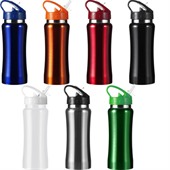
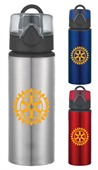
Sales Tip: Match the lid to the way the bottle will be usedA tip from Megan on our sales team: We often see buyers comparing bottle materials when the bigger decision is actually the lid. Screw caps generally provide the most reliable seal for commuting and travel, flip-top lids are popular for gyms and sporting activities because they're easy to open one-handed, and bottles with carry handles are often preferred by people who take their bottle everywhere. The best bottle isn't always the one with the most features — it's the one that's easiest for the recipient to use every day.
Choosing A Bottle People Will Use Every Day
The most successful drink bottles are usually the ones that become part of a person's everyday routine. Insulated stainless steel bottles are popular with commuters and office workers, Tritan drink bottles are valued for their durability and lightweight construction, and eco-friendly drink bottles appeal to organisations looking to promote reusable alternatives. Features such as vacuum insulation, carry handles, drinking spouts and secure screw-top lids can influence user satisfaction just as much as the bottle material itself. Understanding how and where the bottle will be used often leads to better long-term retention and more frequent use. If you'd like a recommendation, just reach out — we know this range well.