How Garment Construction Changes Fit & Function
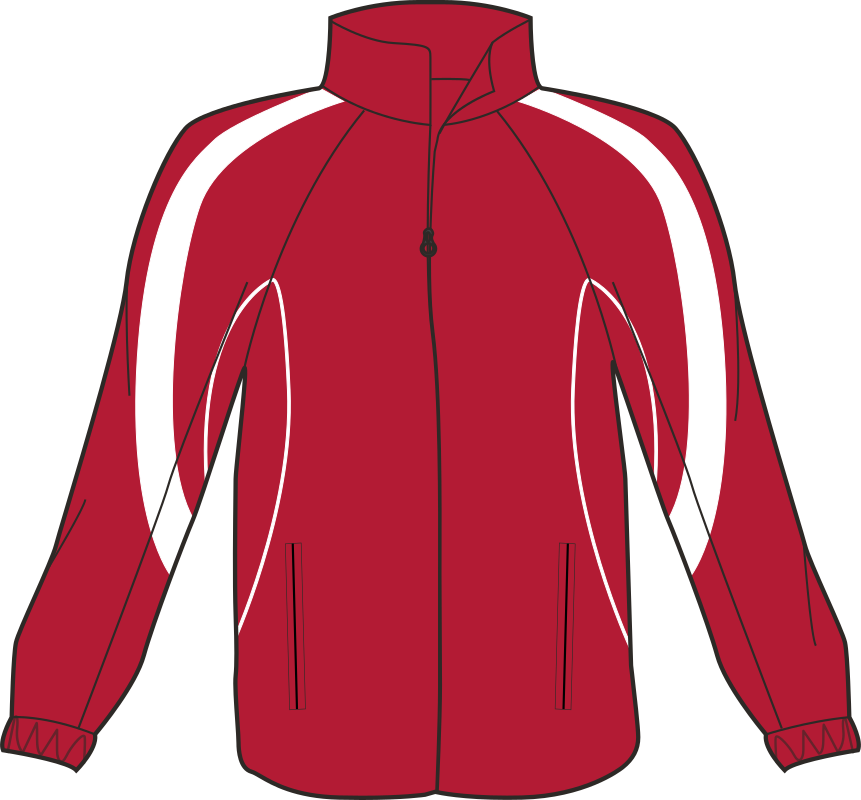
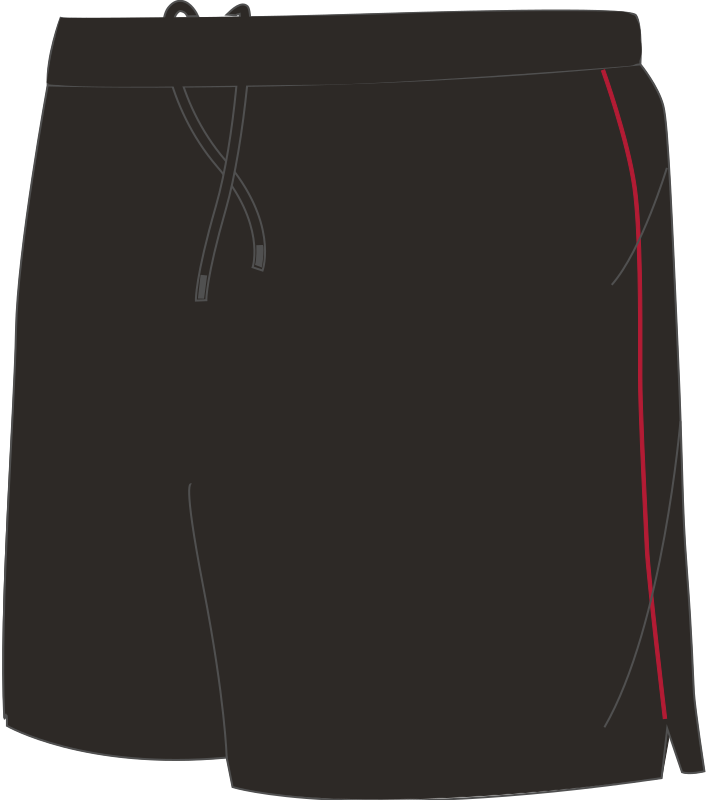
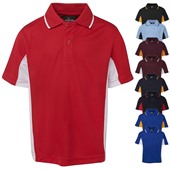
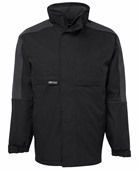
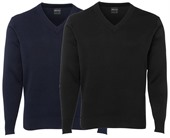
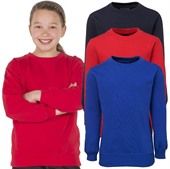
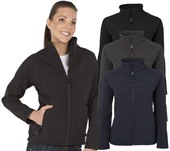
Clothing styles may appear similar at first glance, but differences in construction can significantly affect comfort, movement and performance. Features such as side seams, panel construction, collar design, cuffs and pocket placement all contribute to how a garment fits and functions. These details often distinguish casual apparel from garments designed for workplace, sporting or hospitality environments.
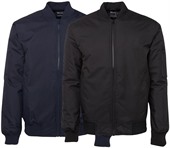
Additional construction elements such as reinforced stitching, stretch panels, ribbed trims and articulated sleeves can improve durability and freedom of movement. Jackets and workwear often incorporate extra reinforcement in high-stress areas, while activewear and healthcare garments may prioritise flexibility and comfort. These design variations help determine how well a garment performs in different working and recreational settings.
What features should I look for in workwear clothing?Common considerations include fabric durability, reinforced stitching, freedom of movement, pocket design and suitability for the working environment. The most important features will vary depending on the type of work being performed.
Why do some jackets feel warmer than others even when they look similar?Warmth is influenced by insulation materials, fabric construction, lining design and how effectively the garment traps air. Two jackets with a similar appearance can perform very differently in colder conditions.
What makes a garment comfortable to wear for long periods?Comfort is affected by factors such as fabric softness, breathability, stretch, fit and overall garment construction. Features that reduce restriction and improve airflow often contribute to better long-term comfort.
How do stretch panels improve clothing performance?Stretch panels allow greater freedom of movement without requiring the entire garment to be made from stretch fabric. They are commonly used in workwear, activewear and healthcare apparel where mobility is important.
What causes seams to fail on frequently worn garments?Seam failure is often linked to repeated stress, abrasion and movement around high-wear areas. Stitch density, thread quality and reinforcement methods can all influence the lifespan of a garment.
Sales Tip: Why do some jackets last significantly longer than others?A tip from Kylie on our sales team: Fabric weight is only part of the story. Areas such as zips, cuffs, seams and pocket attachments often experience the greatest wear. A well-constructed jacket with reinforced stress points will frequently outlast a heavier garment with weaker construction.
Garment Construction & Performance Considerations
Many of the differences between clothing styles come down to fabric selection, panel design, stitching methods and reinforcement techniques. Workwear, activewear, jackets, healthcare apparel and hospitality garments are often engineered to address specific performance requirements such as durability, mobility, insulation or moisture management. Looking beyond the appearance of a garment and understanding how it is constructed can provide valuable insight into how it will perform in everyday use. We're here to help if you have questions about quantities, lead times, or artwork.