Comparing Clock Mechanisms & Power Sources
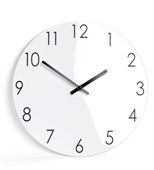
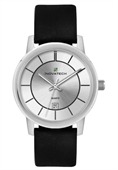
Most modern clocks operate using quartz movements, which regulate time through the vibration of a quartz crystal powered by a battery. This system provides reliable accuracy with minimal maintenance and has become the most common mechanism used in wall clocks and desk clocks. Digital clocks use electronic displays and internal timing circuits to achieve similar results while often incorporating additional functions.
Power requirements vary across the category. Many clocks operate using replaceable batteries, while others use USB power, mains power or rechargeable systems. Timers differ slightly in that they are designed to measure a defined period rather than continuously display the current time. Understanding the differences between clock mechanisms and power sources helps explain variations in maintenance requirements, display options and long-term performance.
How long do batteries typically last in a wall clock?Battery life varies depending on the movement type, display features and battery quality. Standard analogue wall clocks often operate for many months or even years on a single battery, while clocks with additional electronic functions may require more frequent replacement.
Are digital clocks more accurate than analogue clocks?Accuracy is primarily determined by the internal timing mechanism rather than the display style. Both digital and analogue clocks commonly use quartz technology, which provides a high level of accuracy for everyday use.
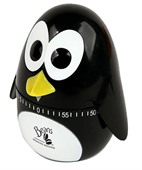
What should I look for in a kitchen timer?Important considerations include display visibility, button size, alarm volume, countdown capacity and ease of operation. The best timer depends on whether it will be used for cooking, exercise, workplace activities or classroom applications.
Why do some clocks use sweep second hands instead of ticking second hands?Sweep movements move the second hand in a smooth motion, while traditional movements advance once per second. Some users prefer sweep movements because they operate more quietly and create less audible ticking.
Can temperature affect clock accuracy?Yes. Significant temperature changes can influence the performance of electronic components and quartz crystals. While the effect is usually very small, extreme conditions can contribute to minor variations in timekeeping accuracy.
Sales Tip: Why do some battery-powered clocks stop unexpectedly even when the battery isn't flat?A tip from Megan on our sales team: Battery condition is only one factor. Dust, corrosion on the battery contacts or slight movement misalignment can interrupt power delivery and stop the clock. In many cases, cleaning the contacts and installing a fresh battery resolves the issue without replacing the entire movement.
Clock Features, Movements & Display Options
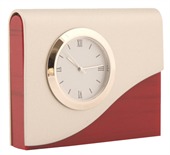
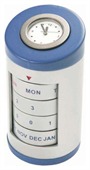
While all clocks are designed to measure time, their construction and functionality can vary considerably. Factors such as quartz movements, analogue or digital displays, battery requirements, alarm functions and countdown capabilities all influence how a product is used. Wall clocks, desk clocks and timers each address different timekeeping needs, with differences in visibility, portability and user interaction. If you'd like a recommendation, just reach out — we know this range well.