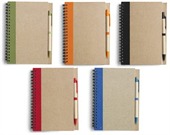
Notebooks Versus Notepads
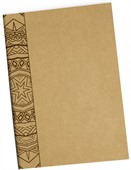
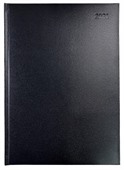
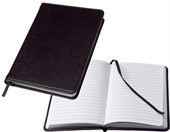
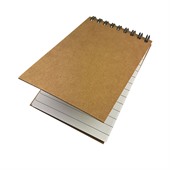
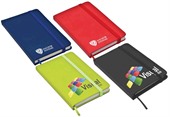
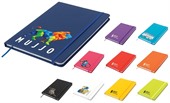
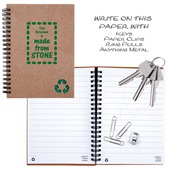
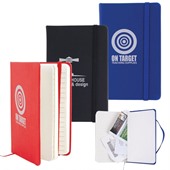
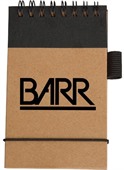
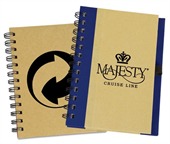
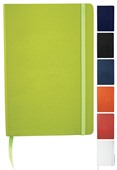
Notebooks and notepads may appear similar, but they are often used in very different ways. Notebooks are designed to hold information over longer periods and are frequently used for meeting notes, project planning, training sessions and study. The pages are usually bound together permanently, making it easier to retain information in sequence. Notepads, by comparison, are intended for quick notes, reminders and messages that may be discarded once the task has been completed.
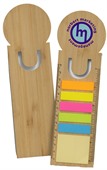
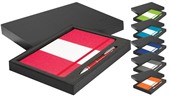
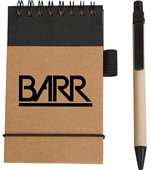
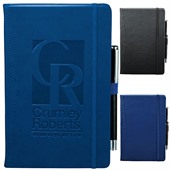
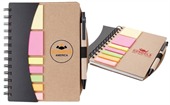
This difference in usage often influences which product remains visible for longer. A notebook may stay on a desk for months and be referred back to repeatedly, while a notepad is often consumed page by page. Products such as journals, sticky notes and notepad and pen combinations sit somewhere between these two functions, providing different ways to capture and organise information depending on how the user prefers to work.
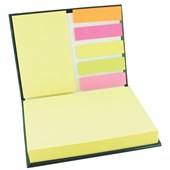
Do sticky notes lose their stick over time?Yes. Exposure to dust, moisture, sunlight and repeated repositioning can reduce the effectiveness of the adhesive. Higher-quality sticky notes generally maintain their adhesion for longer than lower-cost alternatives.
Why do some sticky notes stick better than others?The adhesive formulation varies between manufacturers. Products such as Post-it® Notes are known for balancing adhesion with easy removal, while lower-cost alternatives may either lose adhesion quickly or leave residue behind.
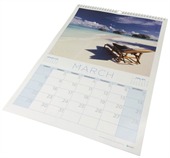
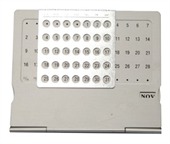
Are desk calendars still useful in a digital world?Many people continue to use desk calendars because they provide constant visibility of dates, deadlines and appointments without requiring a screen. They can also serve as a quick reference tool during phone calls, meetings and planning sessions.
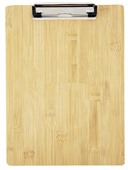
What is a clipboard used for?Clipboards provide a stable writing surface when a desk or table is not available. They are commonly used in warehouses, construction sites, healthcare environments, schools and field-based workplaces where paperwork needs to be carried and completed on the move.
Do magnetic calendars work on all fridges?Magnetic calendars require a ferrous metal surface to attach properly. Most traditional refrigerators are suitable, although some modern appliances use materials that magnets do not adhere to effectively.
Sales Tip: Think about where the product will sitA tip from Megan on our sales team:
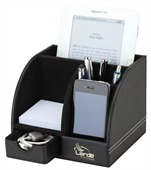
Stationery products that remain visible tend to be referenced more often. A desk calendar, notebook or magnetic planner that stays within view every day can create far more ongoing exposure than a product that is stored in a drawer after the first use.
Different Products For Different Tasks
Stationery covers a wide range of products because people record, organise and reference information in different ways. Notebooks are commonly used for longer-term notes, notepads suit quick messages and reminders, while sticky notes, calendars, clipboards and magnetic products provide solutions for specific workplace tasks. The most successful stationery products are often the ones that become part of everyday workflows and remain visible on desks, noticeboards or workstations. By considering how and where the product will be used, it becomes easier to identify the most suitable option for your audience. If you'd like a recommendation, just reach out — we know this range well.