Why Pin Construction Matters
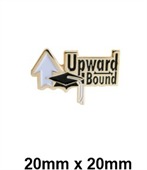
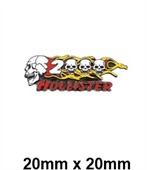
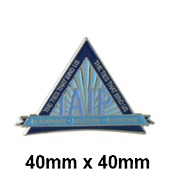
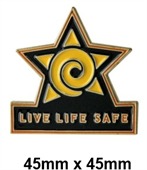
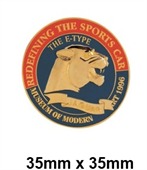
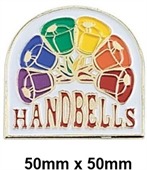
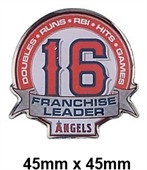
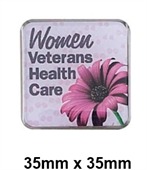
Two lapel pins can display the same logo yet look completely different depending on how they are manufactured. Cloisonné imitation pins use polished metal outlines combined with smooth enamel fills to create a highly refined appearance. Soft enamel pins leave the enamel slightly recessed below the metal lines, producing more texture and visual depth. These construction differences influence not only the appearance of the pin but also how much design detail can be reproduced.
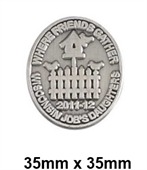
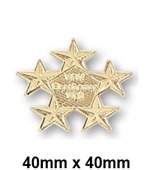
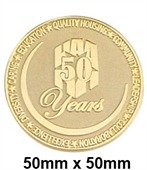
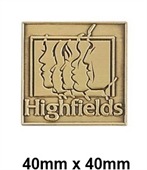
Metal-only pins such as die struck antique, die struck high polish and sandblast finishes rely on raised and recessed metal surfaces rather than coloured enamel. This allows light to interact with the design in different ways, creating contrast through texture rather than colour. The choice often depends on whether the goal is to reproduce a logo accurately, recognise an achievement or create a membership pin with a more formal appearance.
What type of lapel pin lasts the longest?Die struck metal pins, cloisonné imitation pins and soft enamel pins can all last for many years when worn and stored normally. The choice is usually determined by appearance rather than durability, as all three styles are manufactured from metal and designed for long-term use.
Should I choose a die struck pin or an enamel pin?Die struck pins are often chosen for membership programs, service awards and formal recognition because they rely on metal finishes rather than colour. Enamel pins are generally preferred when logos, branding colours and detailed artwork need to be reproduced accurately.
Are lapel pins still used for membership programs?Yes. Sporting clubs, associations, community groups and professional organisations continue to use lapel pins to identify members, recognise achievements and acknowledge milestones. Their small size and long lifespan make them well suited to these applications.
What type of lapel pin is best for a service award?Die struck high polish pins and die struck antique pins are commonly selected for service awards because they create a more traditional appearance. Cloisonné imitation pins are also popular when colour and branding are important parts of the design.
Can detailed logos be reproduced on a lapel pin?Yes, although the level of detail that can be reproduced depends on the size of the pin and the manufacturing method selected. Designs with very small text or intricate artwork may benefit from a slightly larger pin size to improve clarity.
Sales Tip: Choose the finish before the shapeA tip from Megan on our sales team:
Many buyers focus first on the shape of the pin, but the finish often has a greater impact on the final appearance. Deciding between soft enamel, cloisonné imitation, high polish or antique metal finishes early in the process can make artwork decisions much easier.
Choosing The Right Pin Style
The appearance of a lapel pin is influenced as much by its construction method as by the artwork itself. Soft enamel pins, cloisonné imitation pins and die struck metal pins each create a different visual effect, making them suitable for different recognition and branding objectives. Corporate logos, membership badges, service awards and achievement pins can all benefit from different finishes depending on the level of detail and presentation required. By considering the finish, size and intended purpose at the start of the project, organisations can create a lapel pin that remains meaningful long after it is presented. If you'd like a recommendation, just reach out — we know this range well.