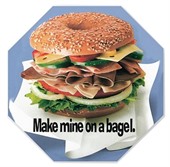
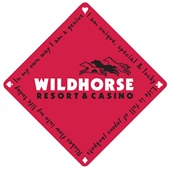
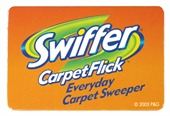
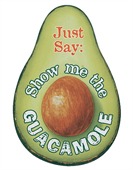
Chipboard button badges use a compressed board base rather than metal or plastic, creating a lighter and more flexible badge structure across the range. Variations are primarily driven by badge size and thickness, with different diameters supporting different artwork layouts. The chipboard material produces a flatter, less rigid surface compared to metal, which changes both how the badge feels and how it sits when worn. Larger badge sizes allow more detailed designs, while smaller formats are suited to simple logos or short messaging.
When worn, the badge is secured using a rear pin, holding the chipboard face against clothing. Due to the lighter construction, the badge places less weight on fabric, making it suitable for bulk distribution or longer wear periods. The reduced rigidity means the badge follows the surface it is attached to more closely than metal alternatives. Size selection influences visibility, with larger badges used where stronger presence is needed and smaller badges used for controlled or high-volume distribution.
Full colour digital print is applied to the front surface, allowing detailed artwork, logos and colour gradients to be reproduced clearly. The print is aligned with the badge shape to ensure consistent presentation across all sizes.
Things People Ask
What is a chipboard button badge?
A chipboard button badge uses a compressed board material as its base instead of metal or plastic. This creates a lighter and more flexible badge structure. The difference is noticeable in both weight and how the badge sits when worn.
How does chipboard compare to metal badges?
Chipboard badges are lighter and less rigid than metal badges, which makes them easier to distribute in large quantities. However, they do not have the same solid structure as metal. The choice depends on how the badge will be used.
What sizes are available?
Chipboard badges are available in multiple sizes, with larger badges allowing more detailed designs and smaller badges suited to simple branding. The size impacts both visibility and artwork layout. Selection depends on the intended use.
Can detailed designs be printed clearly?
Yes, full colour digital print allows detailed graphics and colour variation to be applied to the badge surface. This supports logos, gradients and fine text. The print remains clear across different badge sizes.
When are chipboard badges typically used?
They are commonly used for promotions, events and campaigns where large quantities are required. The lightweight construction makes them easy to distribute. Usage depends on the scale and purpose of the campaign.