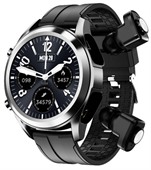
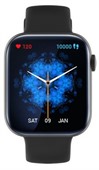
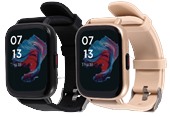
Worn on the wrist and used throughout the day, these devices combine fitness tracking, phone alerts and basic app functions in a compact wearable format. Most models cover the core features people expect, including step counting, heart rate monitoring, sleep tracking and Bluetooth connection to a mobile phone. Beyond that, the real difference comes down to screen size, battery life, display quality and how advanced the tracking functions become. Some watches are built as simple activity trackers with straightforward menus and longer battery performance, while others add multiple sport modes, more detailed health data and broader notification support. Strap style, casing shape and screen layout also change how each model looks and feels when worn.
That split between simpler and more advanced models matters when you are choosing them for a campaign. Entry-level watches suit larger wellness giveaways, staff programs or fitness promotions where ease of use and price point matter most. More feature-rich styles work better for corporate incentives, staff rewards or campaigns where higher perceived value is part of the offer, especially when the product is expected to be worn daily.
Branding is applied using printing on selected areas such as the strap, casing or other suitable surfaces depending on the individual watch design.
Things People Ask
What features do most smart watches include?
Most models cover the basics such as steps, heart rate, sleep tracking and phone notifications. More advanced versions may add extra activity modes, stronger data detail and broader app support.
What is the difference between basic and advanced models?
Basic models focus on core tracking and simpler menus, which can make them easier to manage for broad distribution. Advanced models add more functions and data, which usually increases perceived value.
Are they a good fit for wellness programs?
Yes, they work well in wellness and fitness programs because they encourage regular daily interaction. The tracking functions give users a reason to keep wearing the product over time.
Do they need to connect to a phone?
Most models work best when paired to a smartphone through Bluetooth. That connection allows data syncing, message alerts and other notification features to function properly.
Will people actually keep using them?
Because they are worn rather than stored away, they have a strong chance of becoming part of a daily routine. That repeated use is what makes them valuable in campaigns focused on long-term visibility.