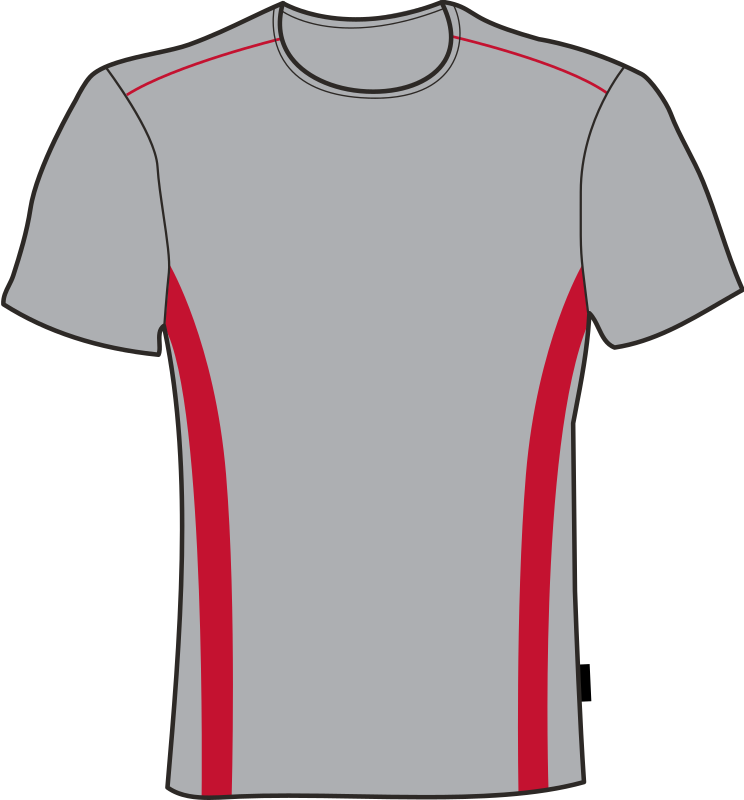
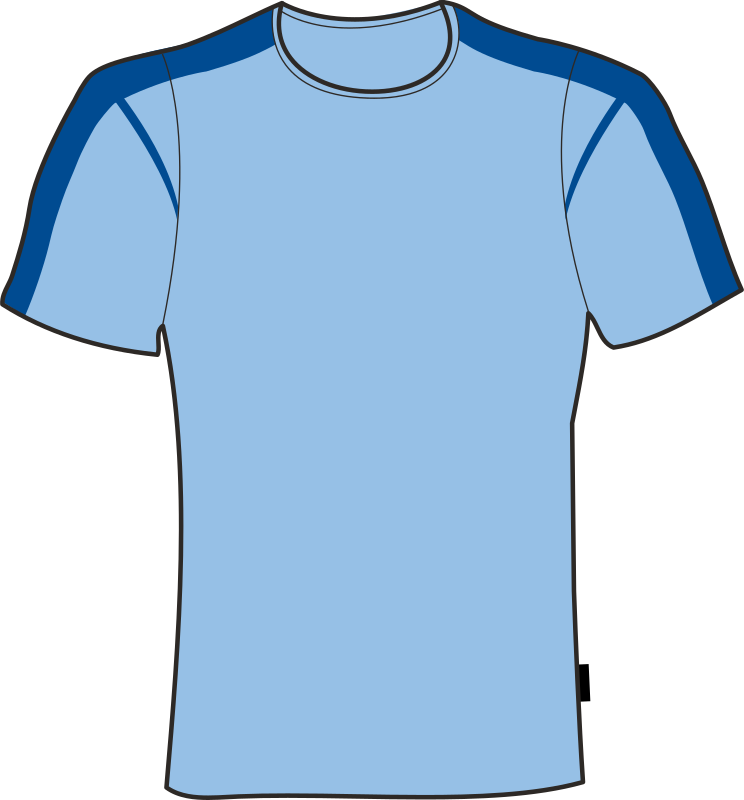
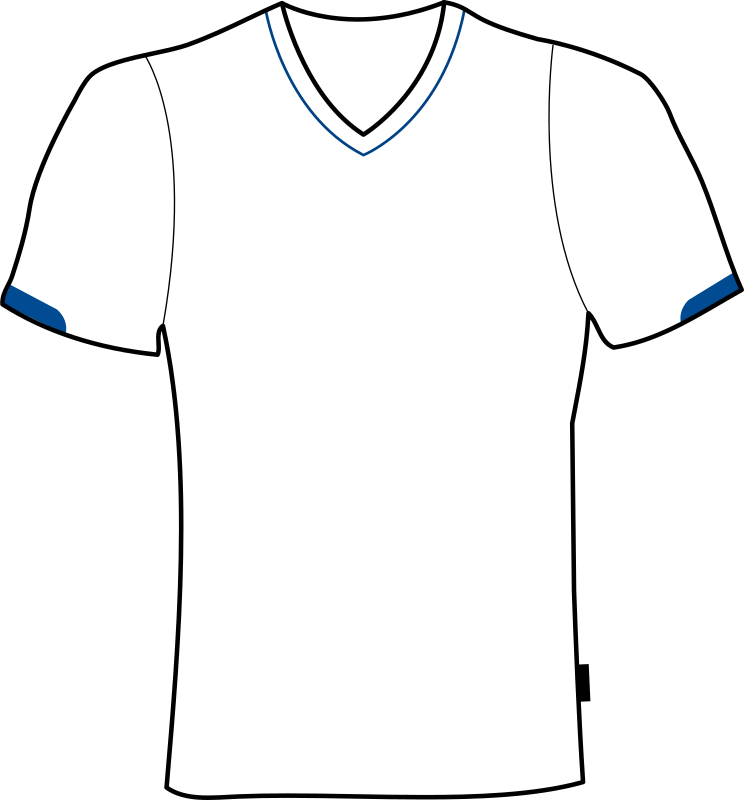
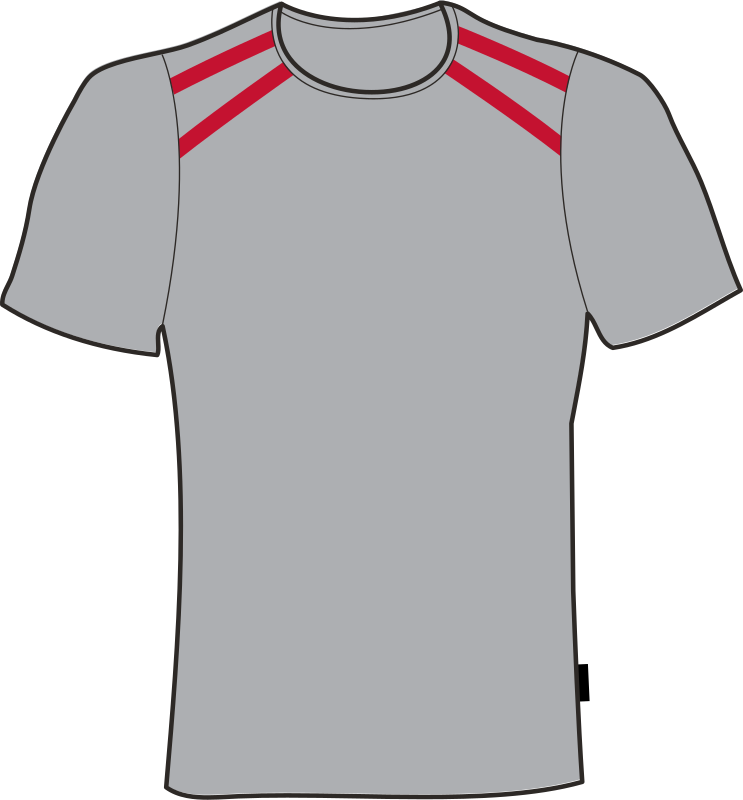
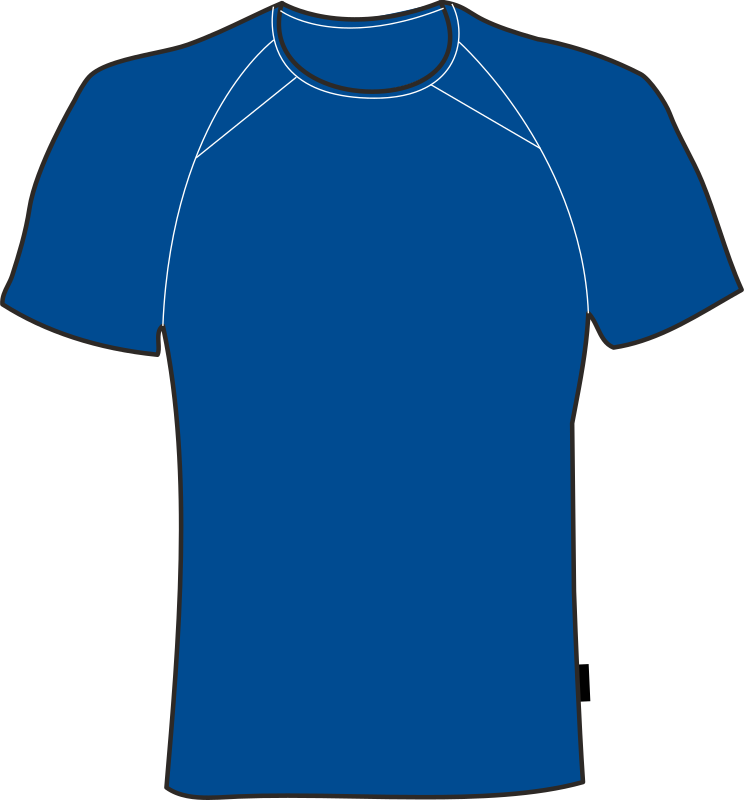
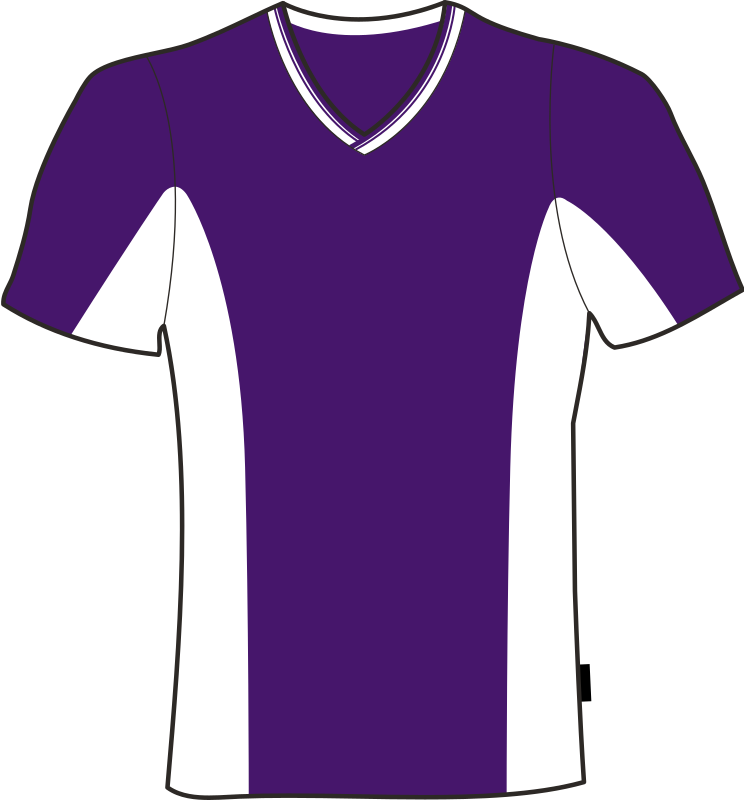
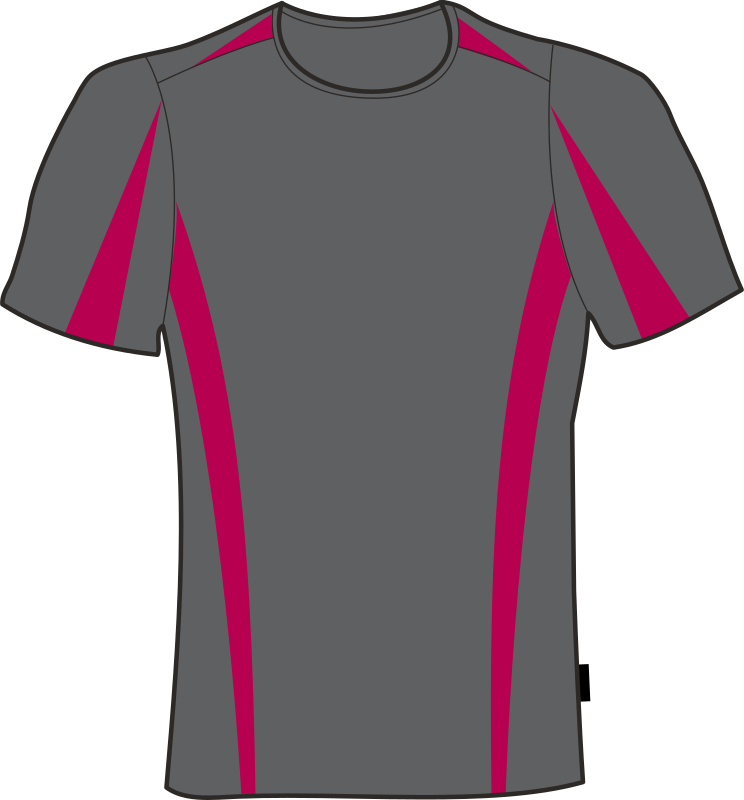
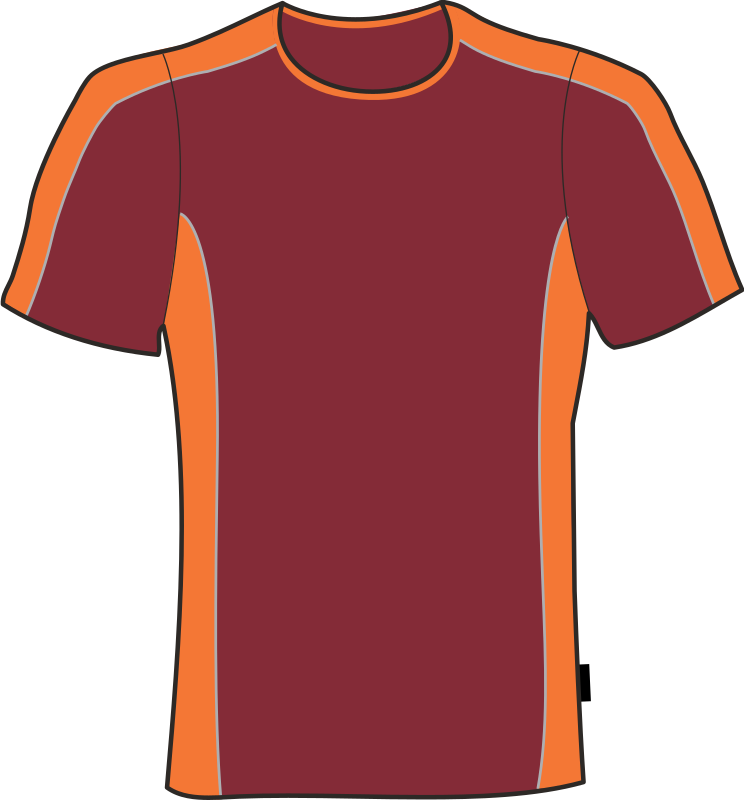
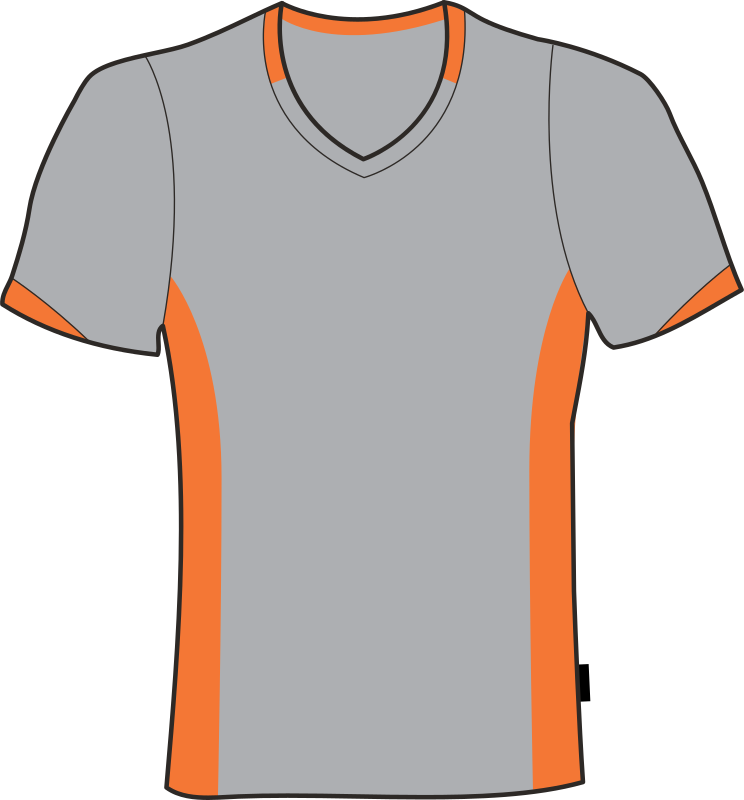
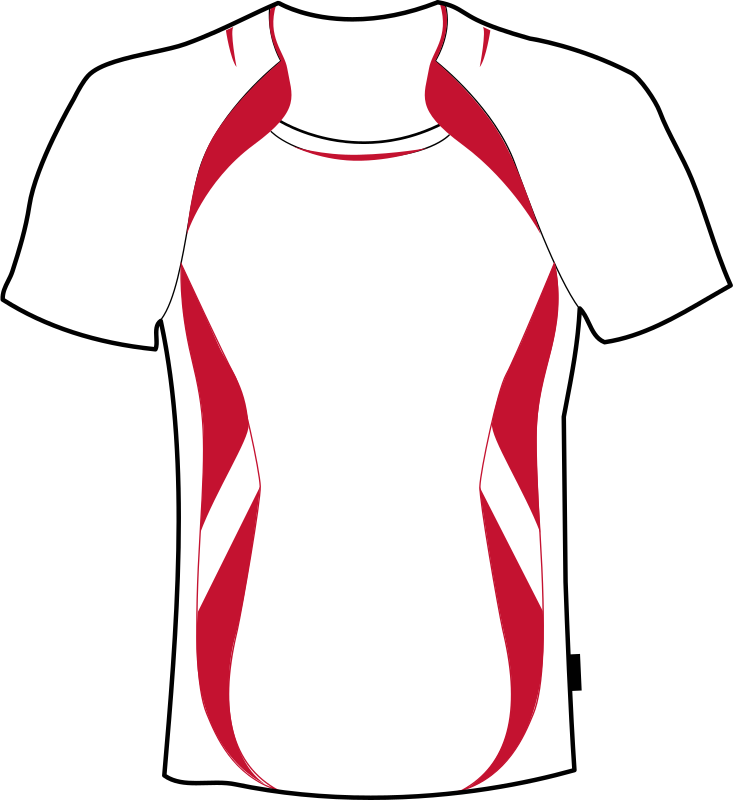
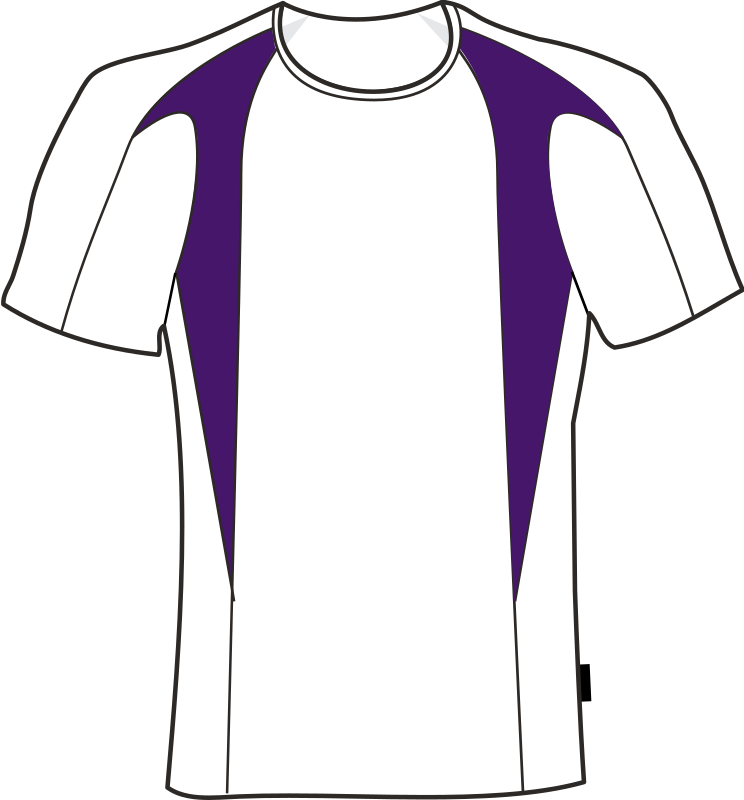
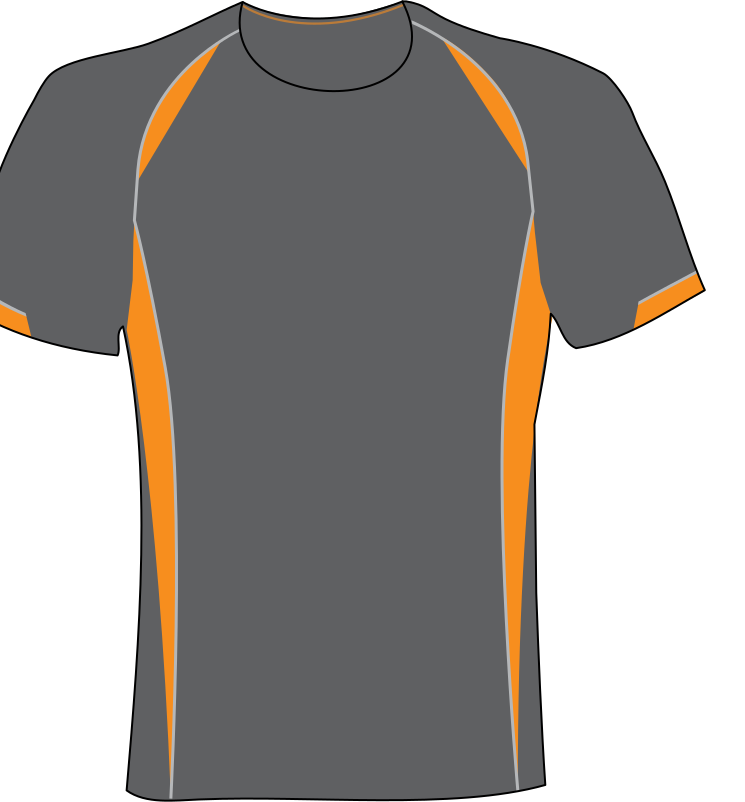
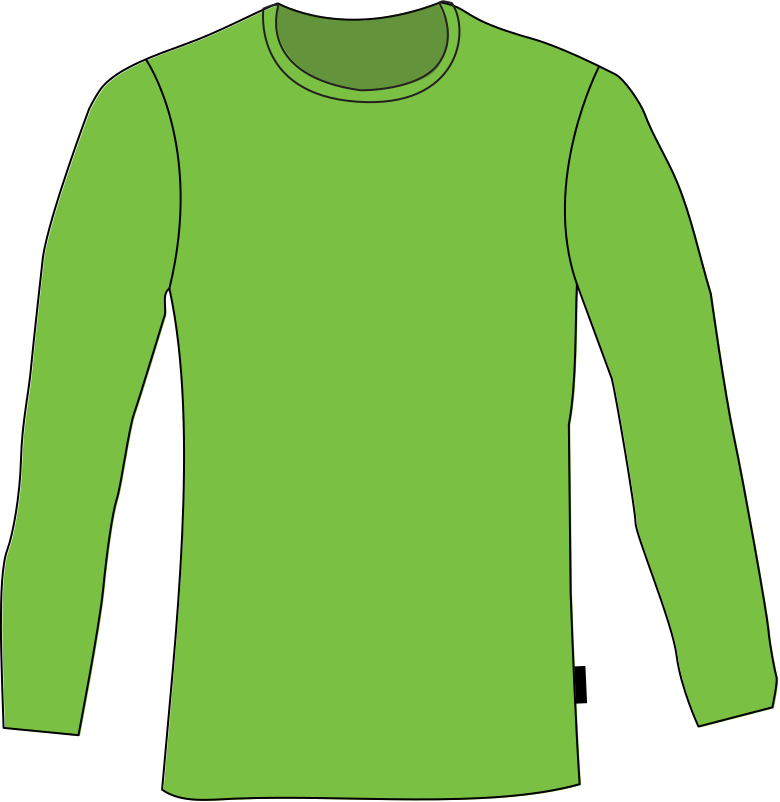
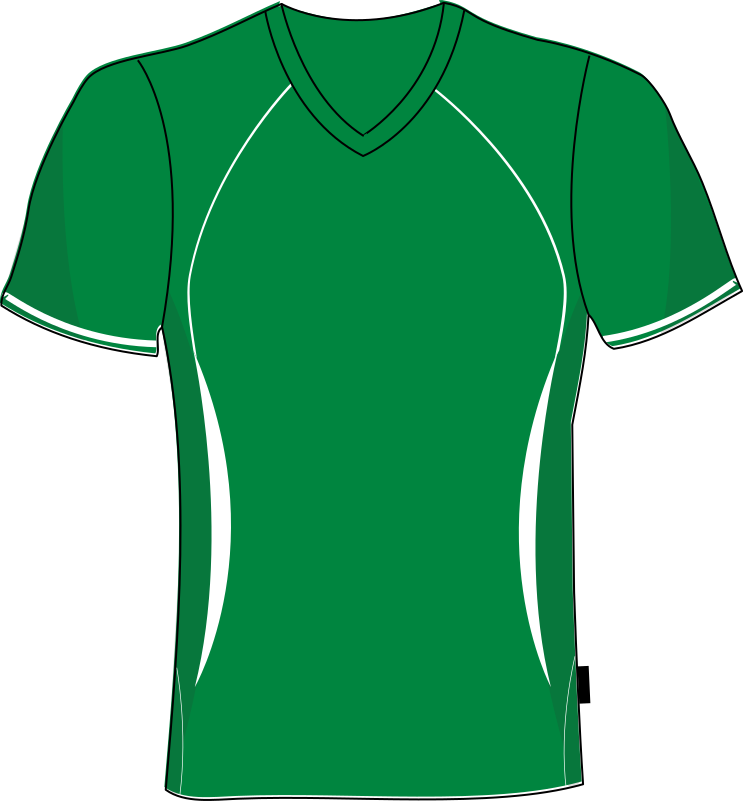
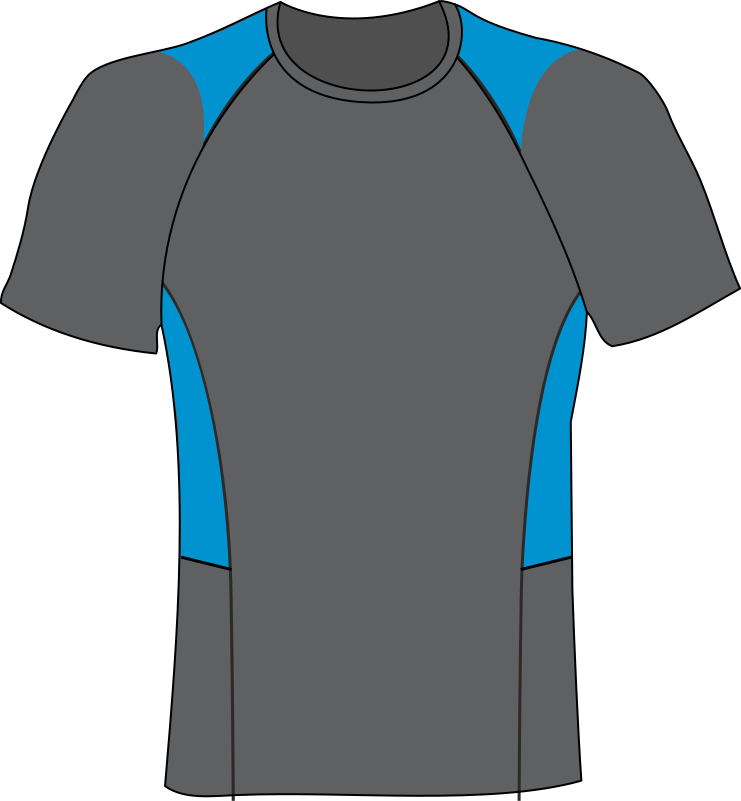
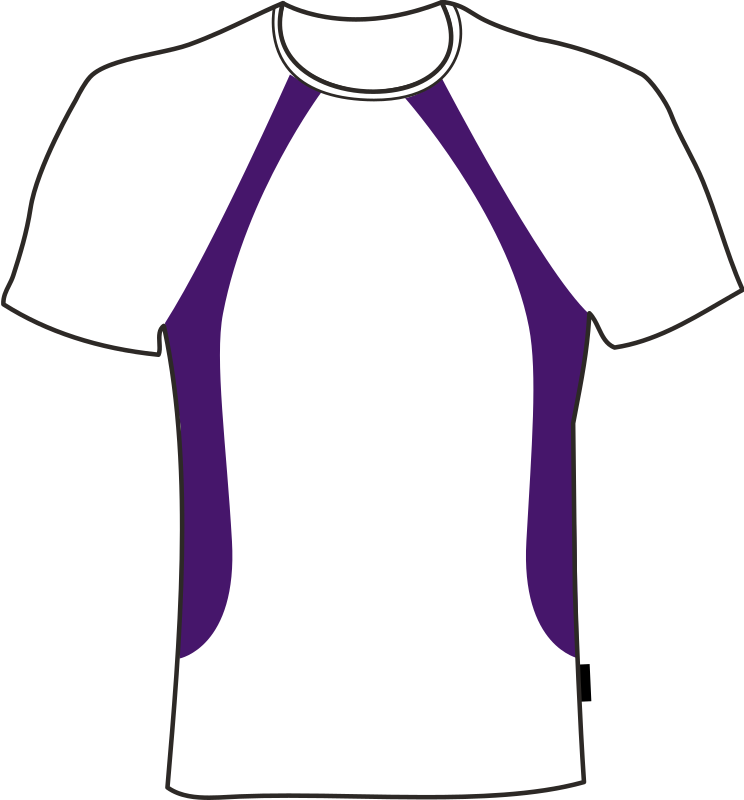
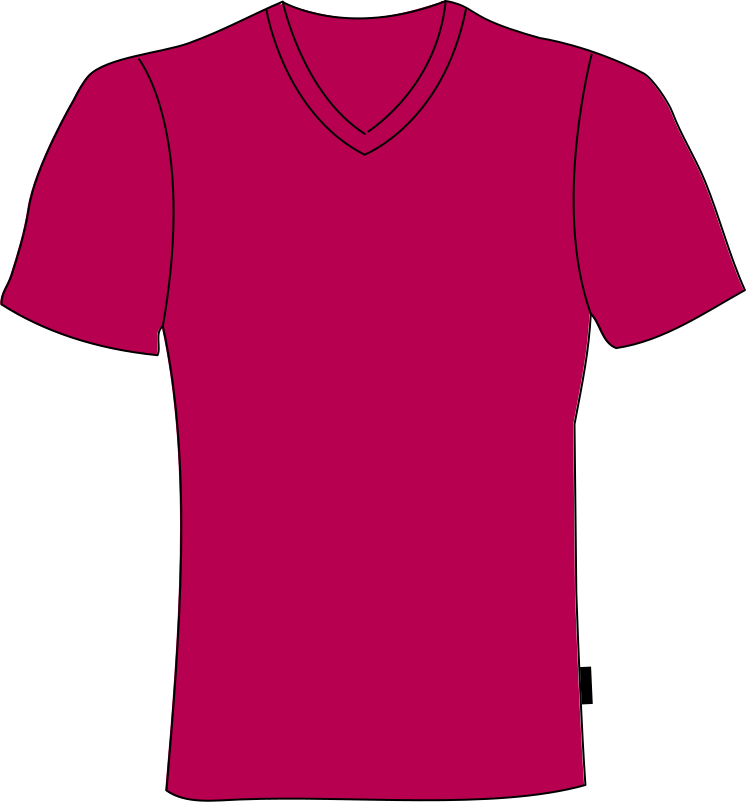
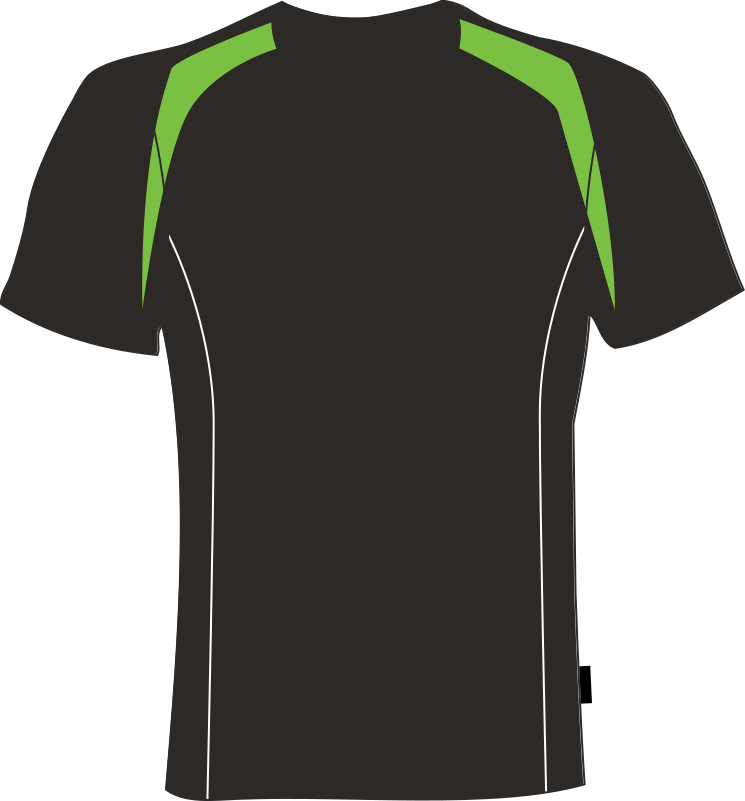
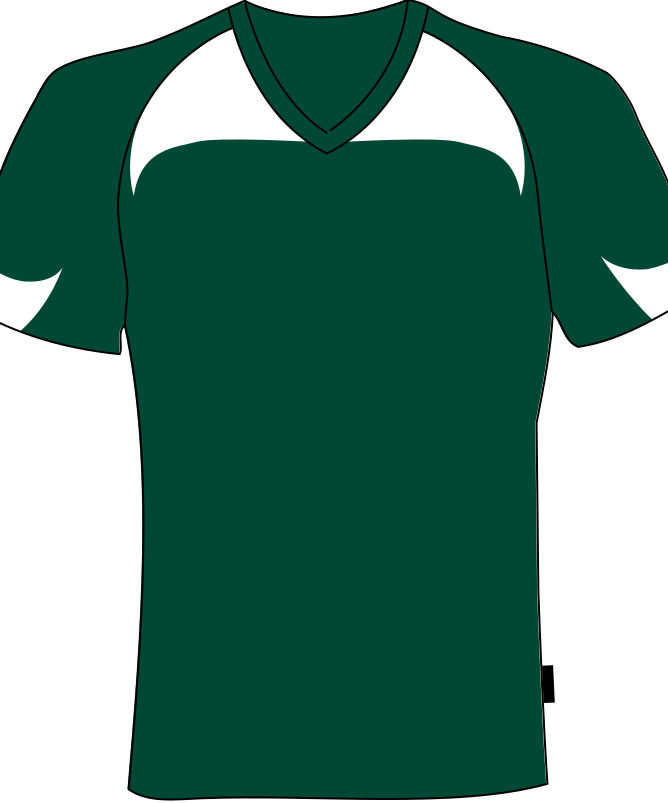
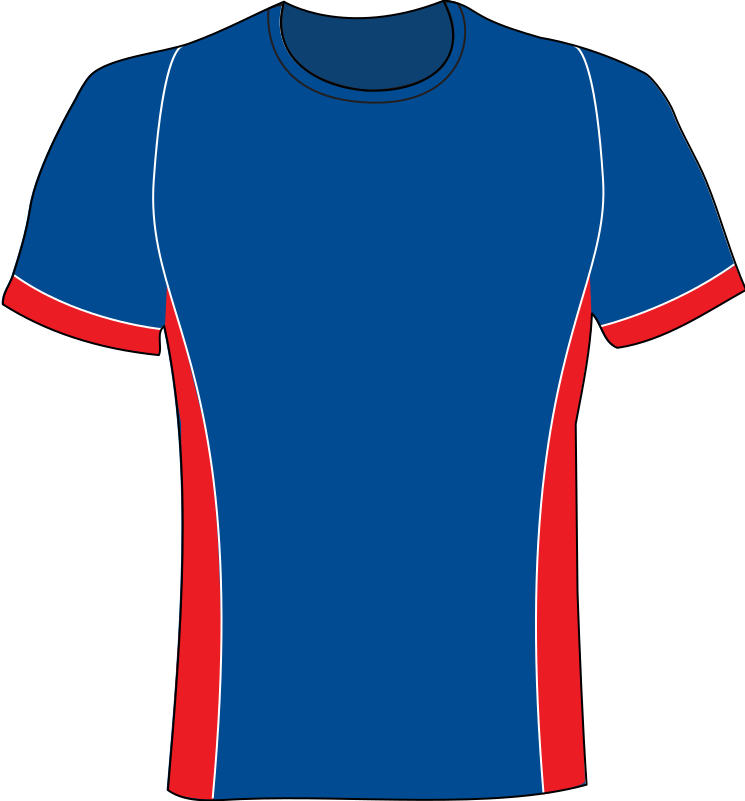
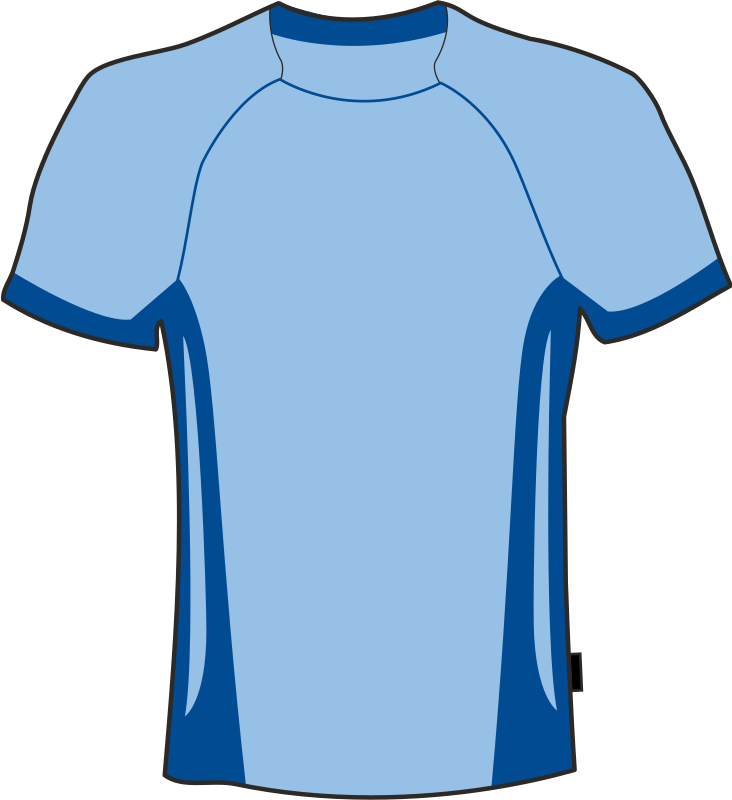
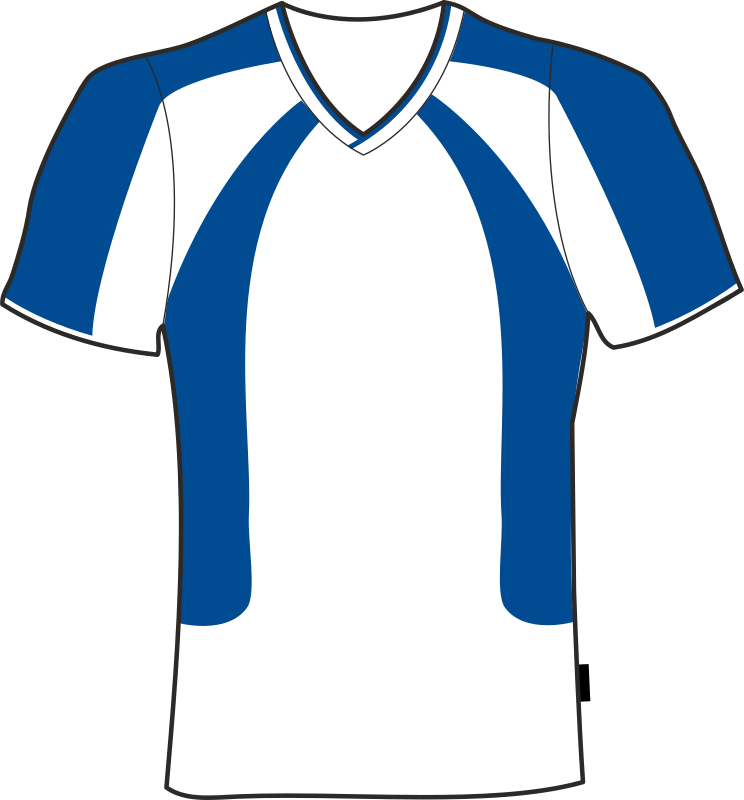
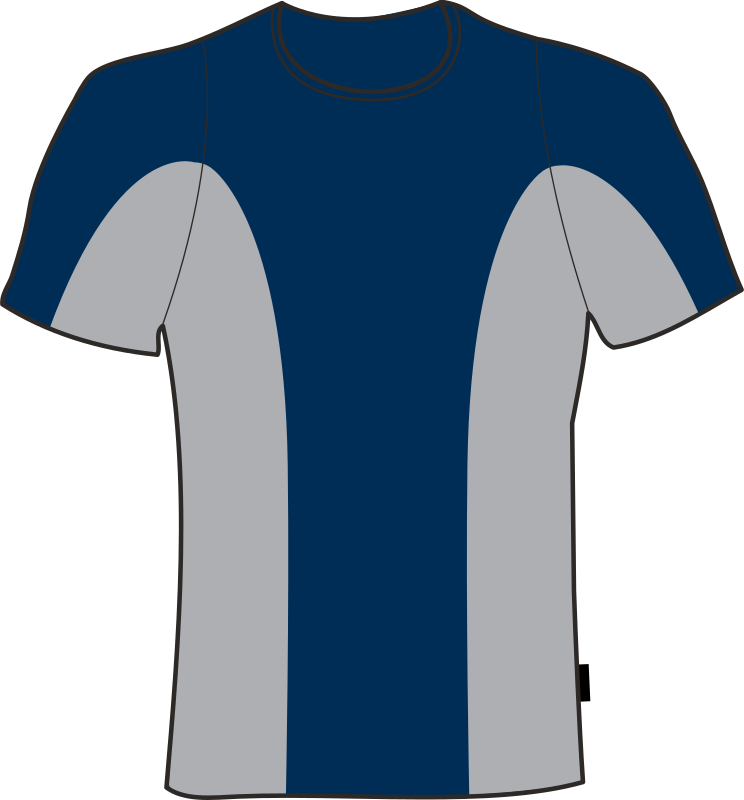
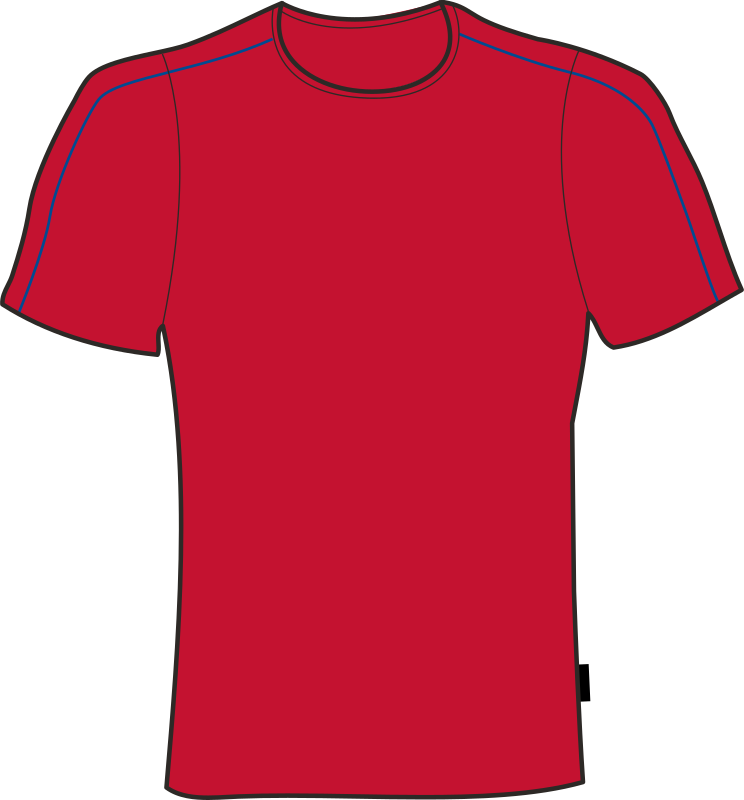
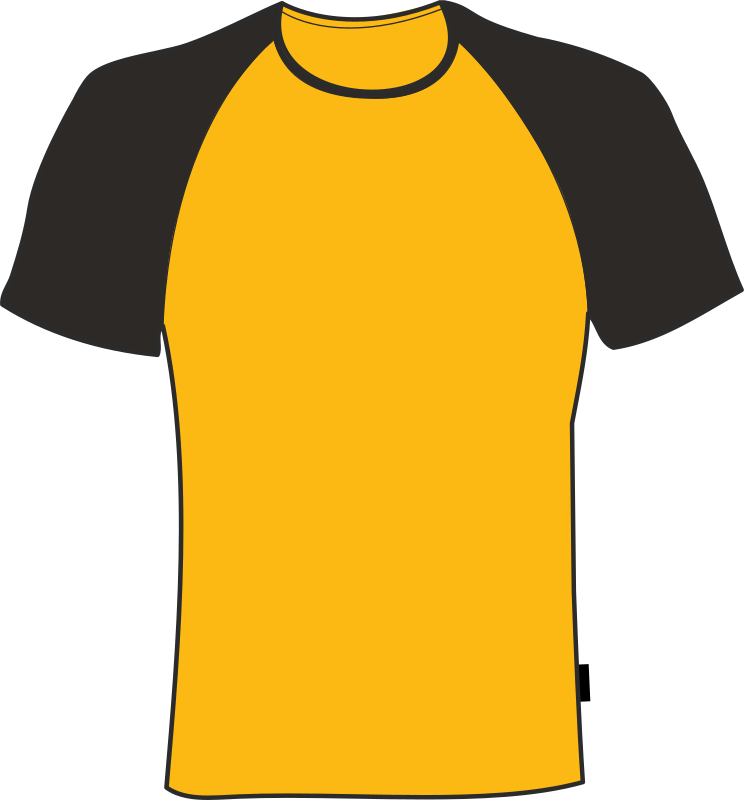
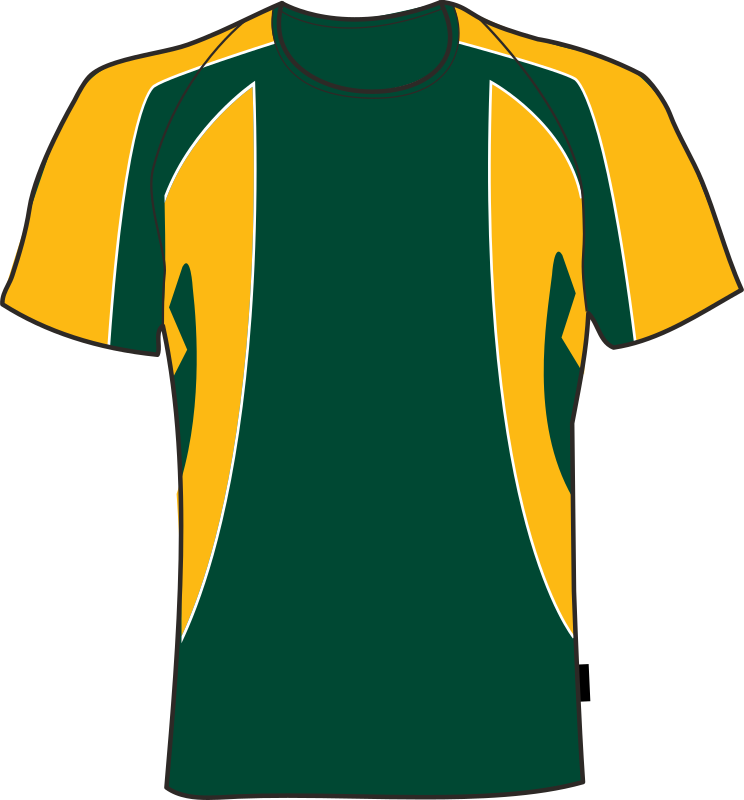
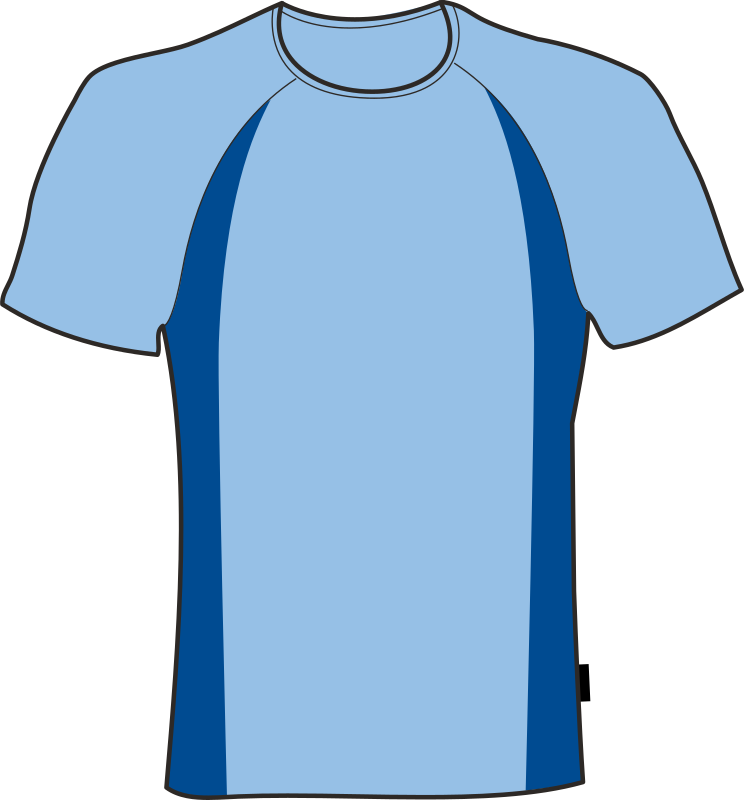
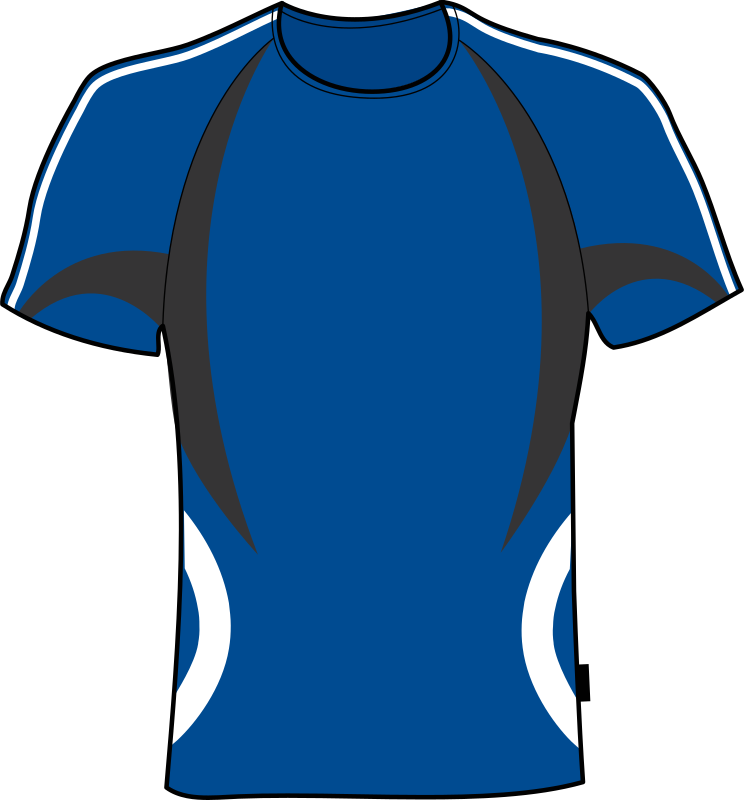
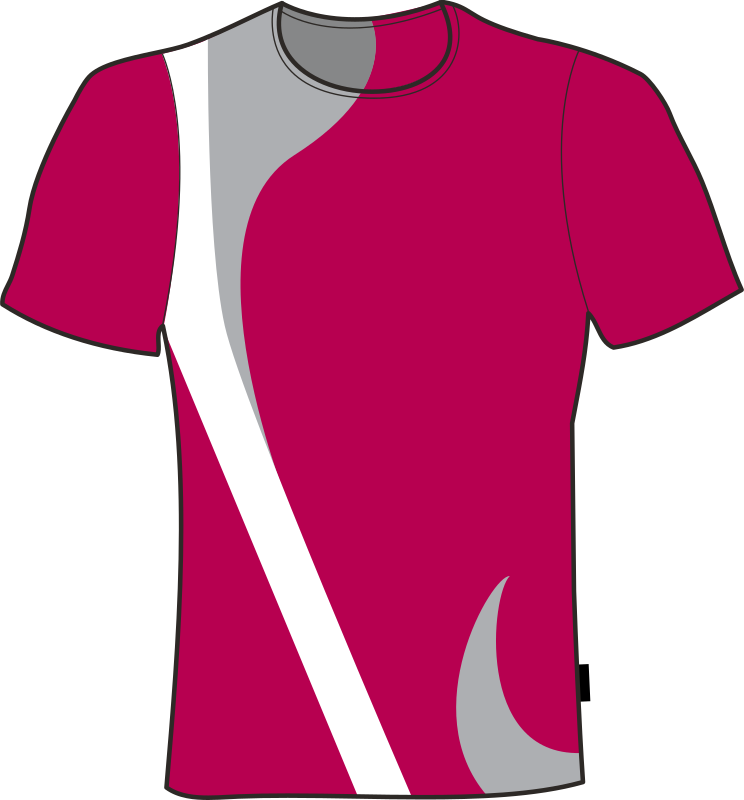
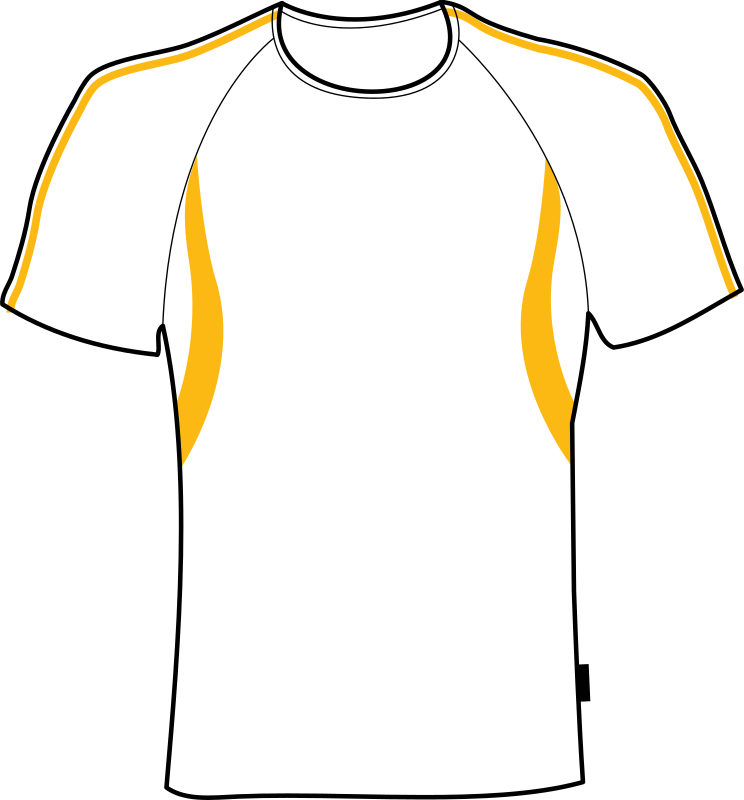
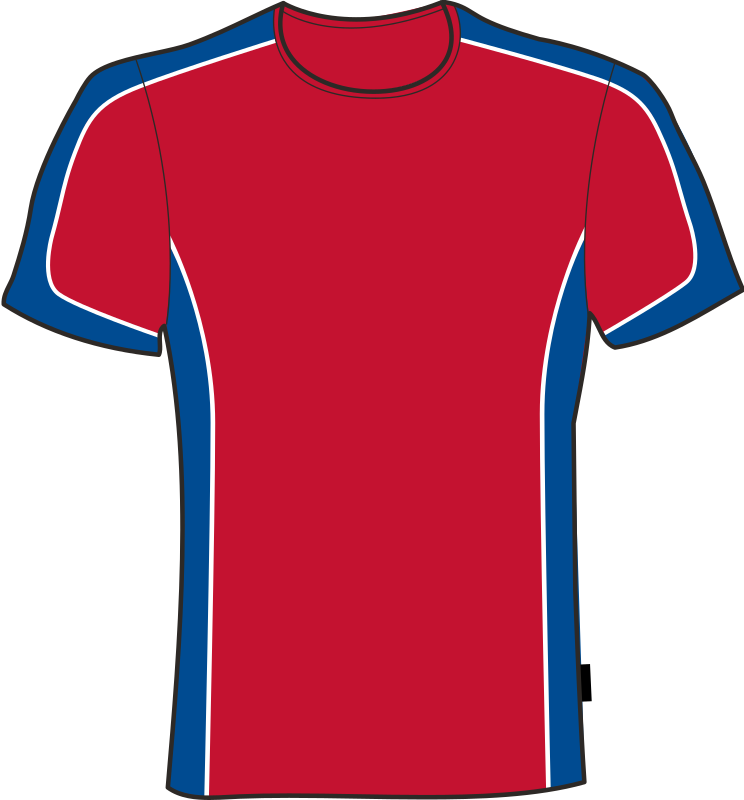
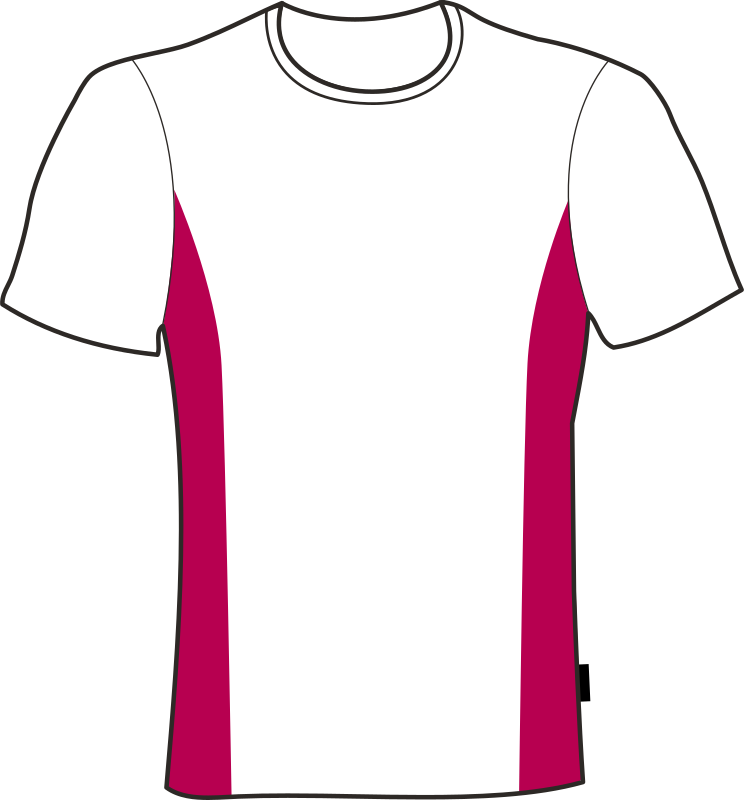
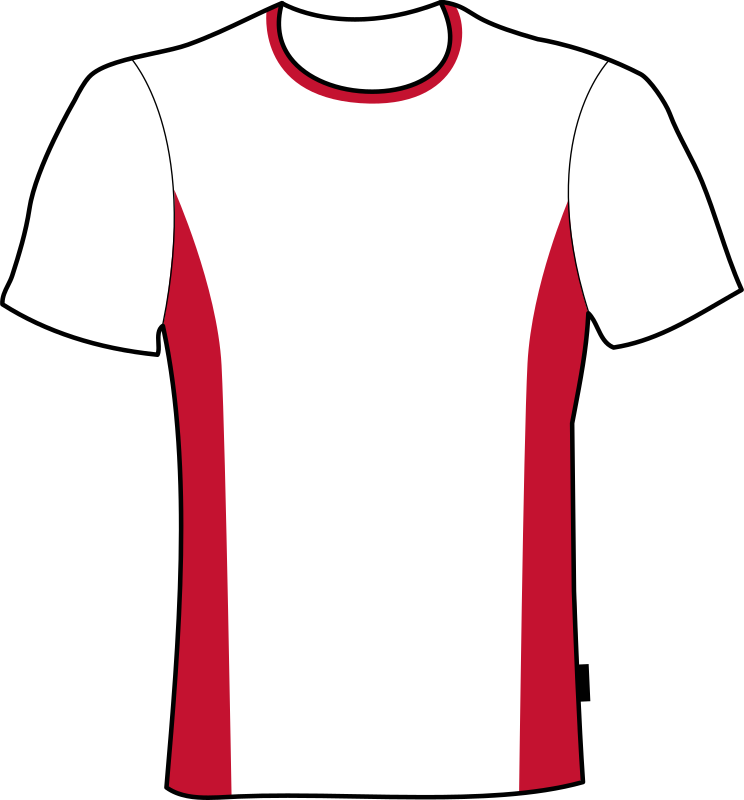
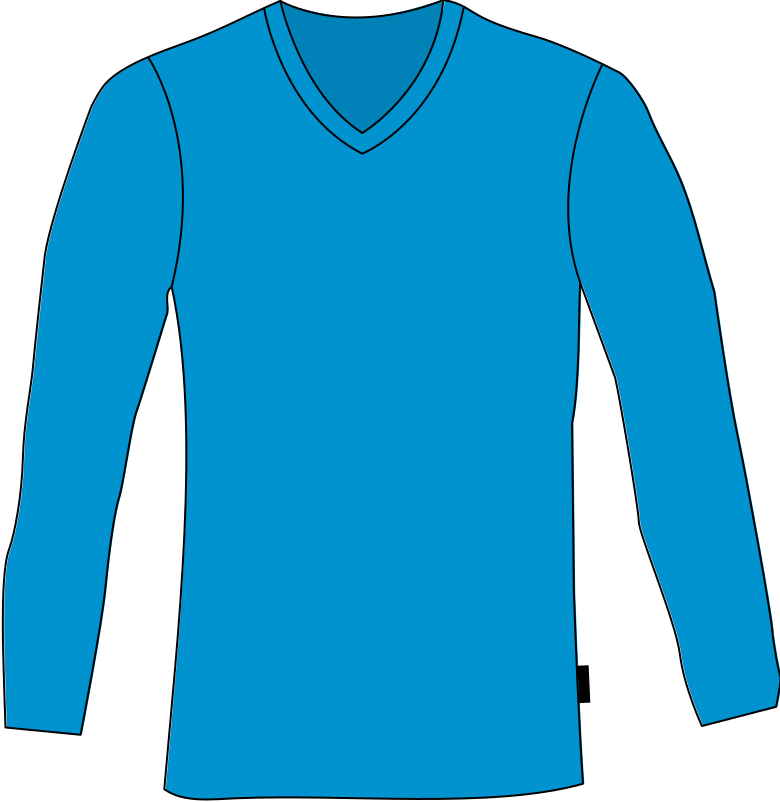
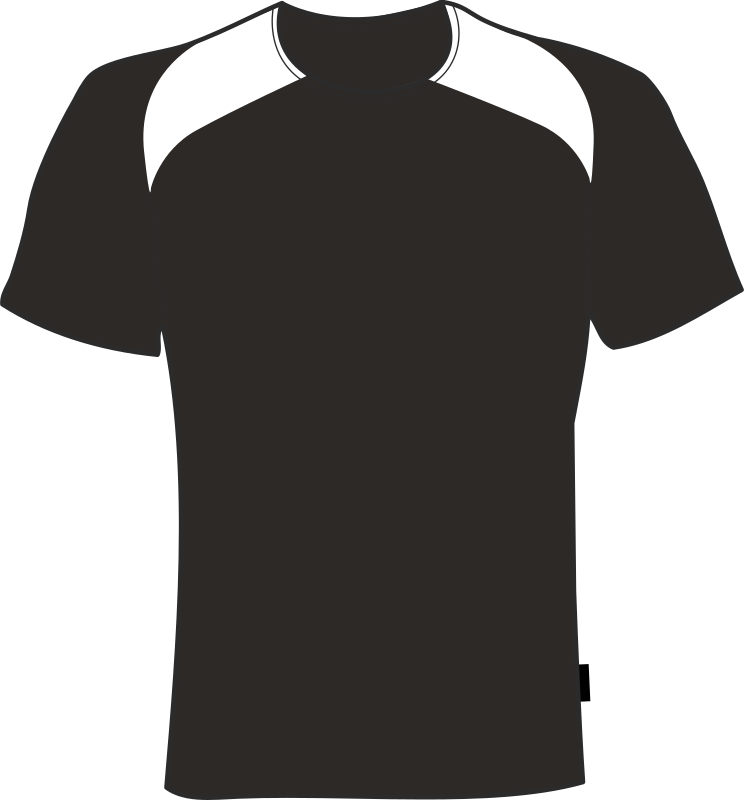
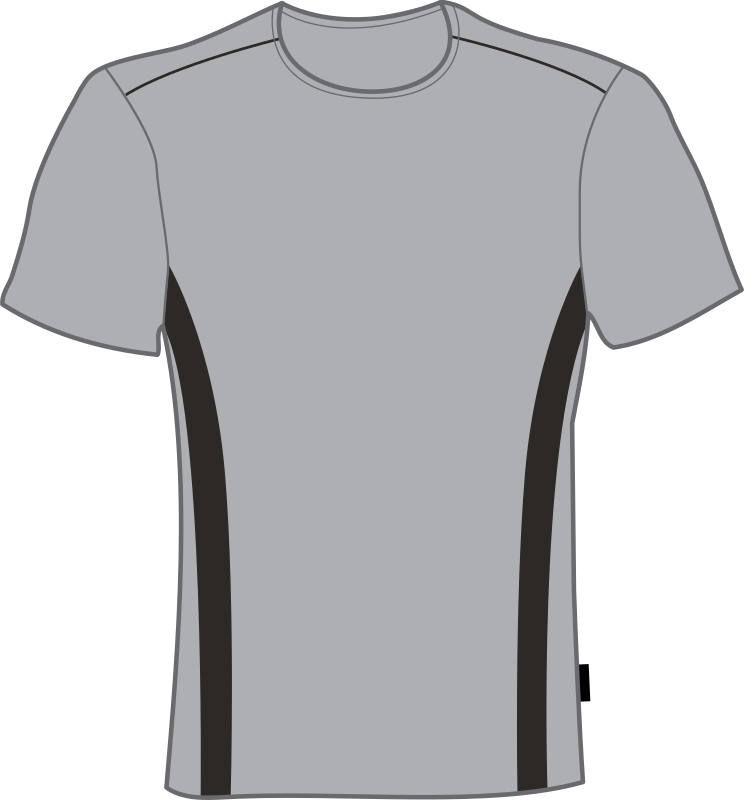
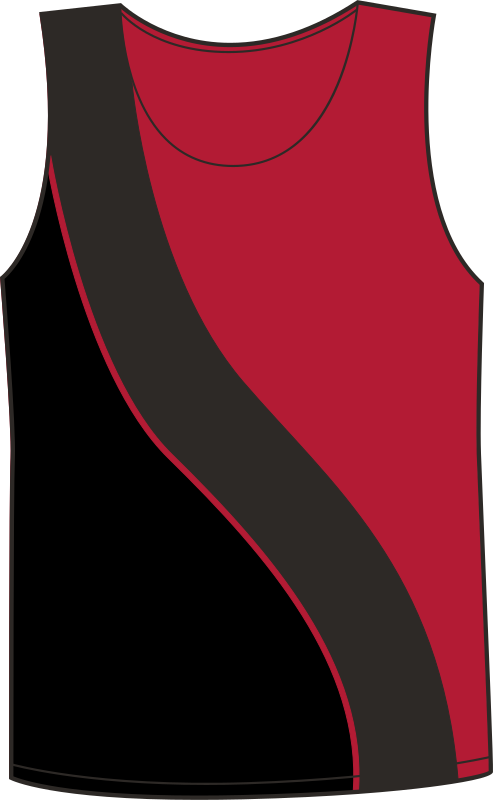
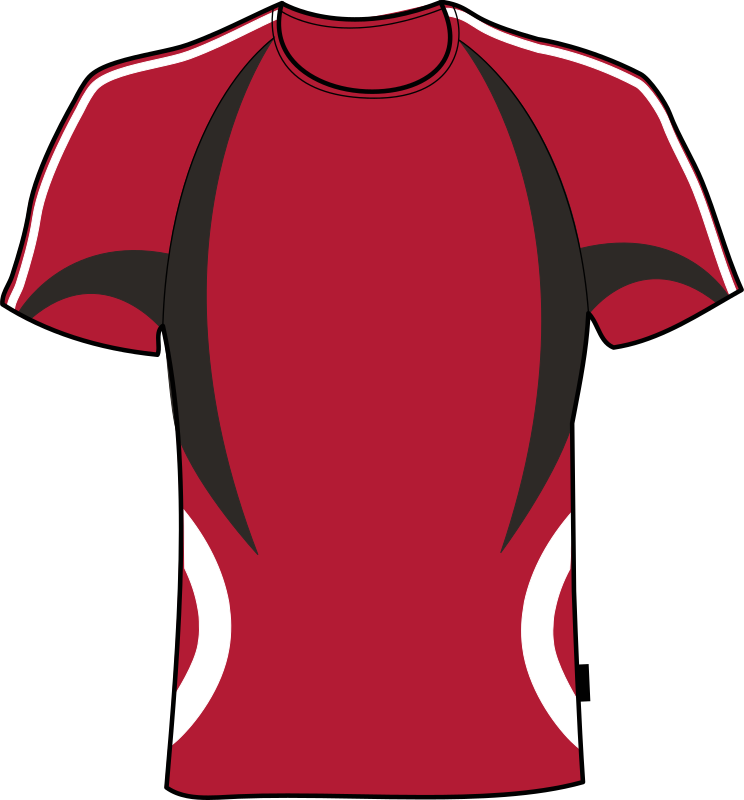
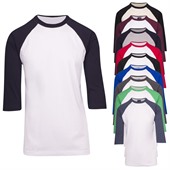
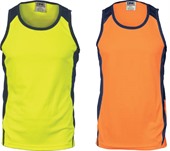
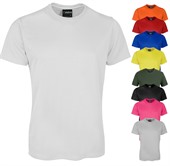
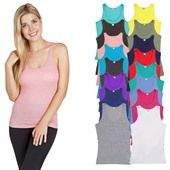
A bespoke t shirt is designed rather than branded. Instead of choosing a colour from a catalogue and printing a logo on the front, the buyer specifies the colour for each panel. Body, sleeves, collar, side inserts. The shirt is built up from the brand palette rather than applying the brand to an existing garment. The result is a tee that looks like it was made for the brand rather than a generic shirt that happens to have a logo on it. The default fabric is Breathe Easy Poly Mesh, which provides good airflow and a lightweight feel suited to active use, events, and warm conditions. Buyers who want a different hand feel can upgrade to Light Feel Poly Check, Smooth Finish Poly Jersey, Soft Touch Cotton Back Poly Cotton, or Pique Knit Poly Cotton, each with a different texture and weight character. Printing is applied to the completed garment. From 50 units.
A sports club specifying brand colours across the front body, sleeves, and side panels gets a shirt that reads as a deliberate design decision. Every person wearing it is carrying the brand's visual identity, not just a printed logo on a plain garment.
The 50-unit threshold means bespoke design is accessible for smaller organisations. A sports club, a boutique brand, or a mid-sized team doesn't need a large run to get a shirt built to spec.
Ordering & Logistics
How does the colour blocking process work?
The buyer specifies the colour for each panel of the shirt at the time of ordering. Depending on the style, this can include the main body, sleeves, collar, and any side or contrast panels. Different sections can carry different colours, so a shirt can display two, three, or four brand colours across the garment without any print required. The colour specification happens during the design consultation before production.
What fabric options are available and how do they differ?
The default fabric is Breathe Easy Poly Mesh, lightweight and breathable, well suited to active and warm-weather use. Upgrade options include Light Feel Poly Check, which has a subtle check texture; Smooth Finish Poly Jersey, with a clean, flat surface; Soft Touch Cotton Back Poly Cotton, which has a softer feel against the skin due to the cotton backing; and Pique Knit Poly Cotton, which has a textured knit finish more commonly associated with polo shirts. The right choice depends on the intended use, the wearing environment, and the desired feel of the finished garment.
How long does a bespoke t shirt order take to produce?
Bespoke garments involve a design consultation, colour and fabric specification, and custom production. The lead time is longer than for an off-the-shelf tee with a printed logo. Exact production windows depend on the complexity of the colour specification and the fabric selected. Discussing the timeline at the start of the order process is the most reliable way to confirm whether the garment can be ready for a specific date.
Is a sample available before committing to the full run?
Sampling options for bespoke garments vary and should be confirmed with the supplier at the time of enquiry. For larger orders or for buyers specifying a garment for the first time, understanding what proofing or sampling is available before committing to the full run is worth raising early in the conversation.