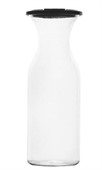
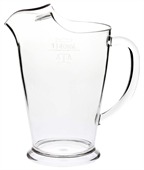
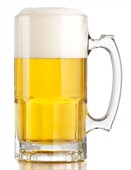
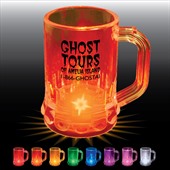
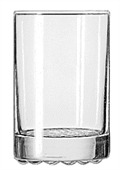
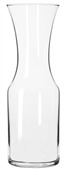
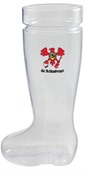
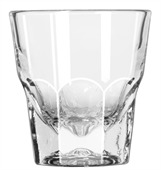
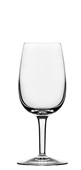
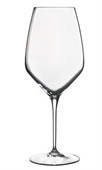
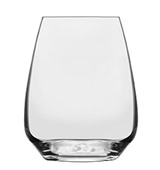
Polycarbonate glasses in this range cover every drink-service volume. 1. Shot glasses: 30ml single and 45ml styles, with a double shot at 60ml 2. Beer glasses: Midi at 285ml, pints at 425ml, and large nucleated styles up to 570ml 3. Hi ball and scotch styles: Tumblers and hi ball glasses from 240ml through to 425ml for spirits, mixers, and long drinks 4. Champagne glasses: Flutes and coupes from 170ml to 225ml 5. Wine glasses: Styles for white wine at 250ml and red wine at 400ml, plus a stemless option and a taster at 200ml 6. Cocktail glasses: Martini, margarita, hurricane, coupetini, and balloon styles from 150ml up to 700ml 7. Carafes and jugs: A lidded litre carafe and a 1140ml ice jug at the larger-pour end
Polycarbonate beer glasses at a Saturday afternoon session in a pub beer garden go through the crowd, onto tables in the sun, and back to the bar without a single breakage incident slowing down service. A busy beer garden running four hundred covers can't afford a broken glass protocol in the middle of service, and polycarbonate removes that problem entirely.
Nucleated beer glasses have an etched base that generates a continuous stream of bubbles from the bottom of the glass, maintaining head retention and carbonation through the pour.
Worth Knowing
Which glass types suit a pub beer garden setting specifically?
Beer glasses at 285ml and 425ml are the main workhorses for beer garden service, as they cover the standard midi and pint sizes that make up most beer orders. Hi ball styles at 300–425ml handle the spirits and mixer orders that run alongside the beer service throughout the day.
Can the same logo be printed across different glass types in one order?
Each glass type needs to be ordered separately as individual products with their own pricing and quantities. A venue printing the same logo across beer glasses, wine glasses, and hi ball styles places three separate orders, with the logo sized and positioned to suit each glass shape.
What makes polycarbonate the right choice for outdoor event service?
Polycarbonate doesn't shatter, chip, or crack on impact, which removes broken glass from the outdoor service environment entirely. At crowded outdoor events, festivals, and beer gardens where glasses get knocked off tables or dropped on hard surfaces, that property is what makes polycarbonate practical rather than just convenient.
Do polycarbonate glasses look and feel like real glassware?
They are optically clear and have a weight and rigidity that gives a similar feel to real glass in the hand. The material doesn't flex like thin plastic cups, and the print sits on a surface that reads as glassware rather than a disposable vessel.