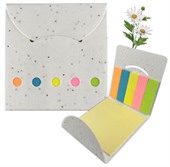
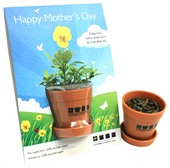
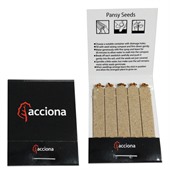
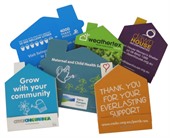
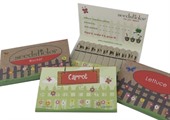
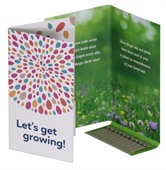
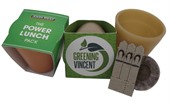
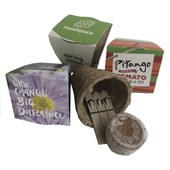
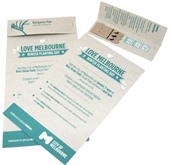
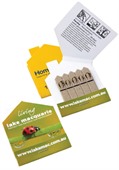
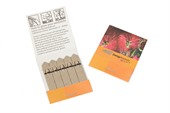
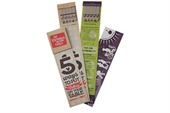
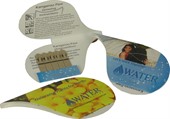
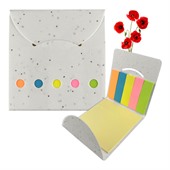
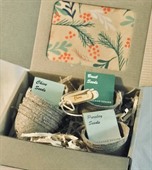
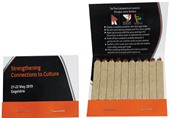
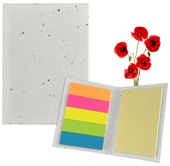
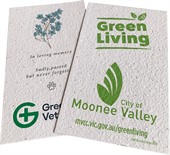
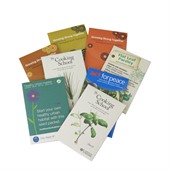
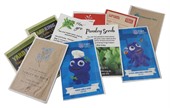
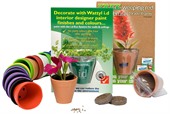
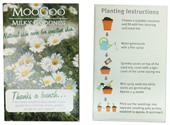
Seed sticks consist of biodegradable sticks embedded with seeds designed to grow into plants when planted. Beyond seed sticks, options such as seed packs, seed books, ecopots, and seeded paper bookmarks, cards, or shapes extend the ways to engage recipients in growing greenery. Seed packs contain loose seeds in small, branded packets, providing flexibility for recipients to select their preferred planting locations or combine multiple seed types. Seed books include pages infused with seeds such as wildflowers or herbs, allowing each page to sprout after planting, which creates a layered and interactive growing experience. Ecopots come as compostable containers pre-filled with soil and seeds, which simplifies the planting process by eliminating the need for separate pots or soil. Seeded paper bookmarks, cards, and decorative shapes combine messaging with sustainability by embedding seeds directly into the paper, enabling these items to sprout flowers, grasses, or herbs once planted. All these types work by embedding viable seeds into materials that biodegrade naturally, allowing roots to develop and plants to emerge without leaving harmful residues in the soil.
Community groups, environmental organisations, and educational programmes select custom seed products to support outreach and promote active participation in greening efforts. These items encourage individuals to contribute to local wildlife habitats, urban gardens, or school projects by providing a tangible starting point for growing plants. Campaigns promoting biodiversity, climate awareness, or sustainable living incorporate these products as incentives or educational tools. Recipients gain a sense of involvement and responsibility by planting and nurturing the seeds, which helps reinforce positive environmental messages and fosters long-term community engagement. Seed sticks and related items also serve as memorable giveaways at events, generating ongoing interest as the planted seeds grow, bloom, and enhance green spaces. Their interactive nature helps maintain community momentum around ecological initiatives and encourages follow-up activities such as gardening workshops or habitat restoration days.
Manufacturers produce seed sticks and related items using biodegradable paper, wood pulp, and compostable fibres that break down harmlessly in soil. Branding options include screen printing, which applies eco-friendly inks in solid colours with sharp detail, and full-colour digital transfer printing that reproduces complex logos and artwork vividly. Both methods avoid toxic substances that could hinder seed germination or harm soil health. These branding techniques ensure that logos and messages remain clear throughout the planting process without compromising the product’s environmental benefits. By combining sustainable materials and responsible printing, these giveaways embody ecological values while providing effective brand exposure. Additionally, the production processes often involve sustainable sourcing and reduced chemical use, further supporting environmental goals during manufacturing and distribution stages.
Handy Imprints FAQ
What types of seeds can be included in custom seed sticks?
Seed sticks typically contain wildflowers, herbs, or native plants suited to local climates. Choosing the right seeds ensures better growth and supports regional biodiversity, which helps councils promote native ecosystems.
How does the custom branding process work on seed sticks?
Custom logos and messages are printed with water-based, non-toxic inks directly on the sticks. This method preserves seed viability while providing clear branding for community recognition.
Are seed sticks suitable for all soil types?
Seed sticks perform best in well-drained soil but can adapt to a range of conditions depending on the seed variety. Local councils can select seeds that thrive in their specific environment to maximize success.
What is the typical turnaround time for custom seed stick orders?
Production and shipping generally take between two to four weeks, depending on order size and customization complexity. Planning ahead ensures seed sticks arrive in time for scheduled community events.